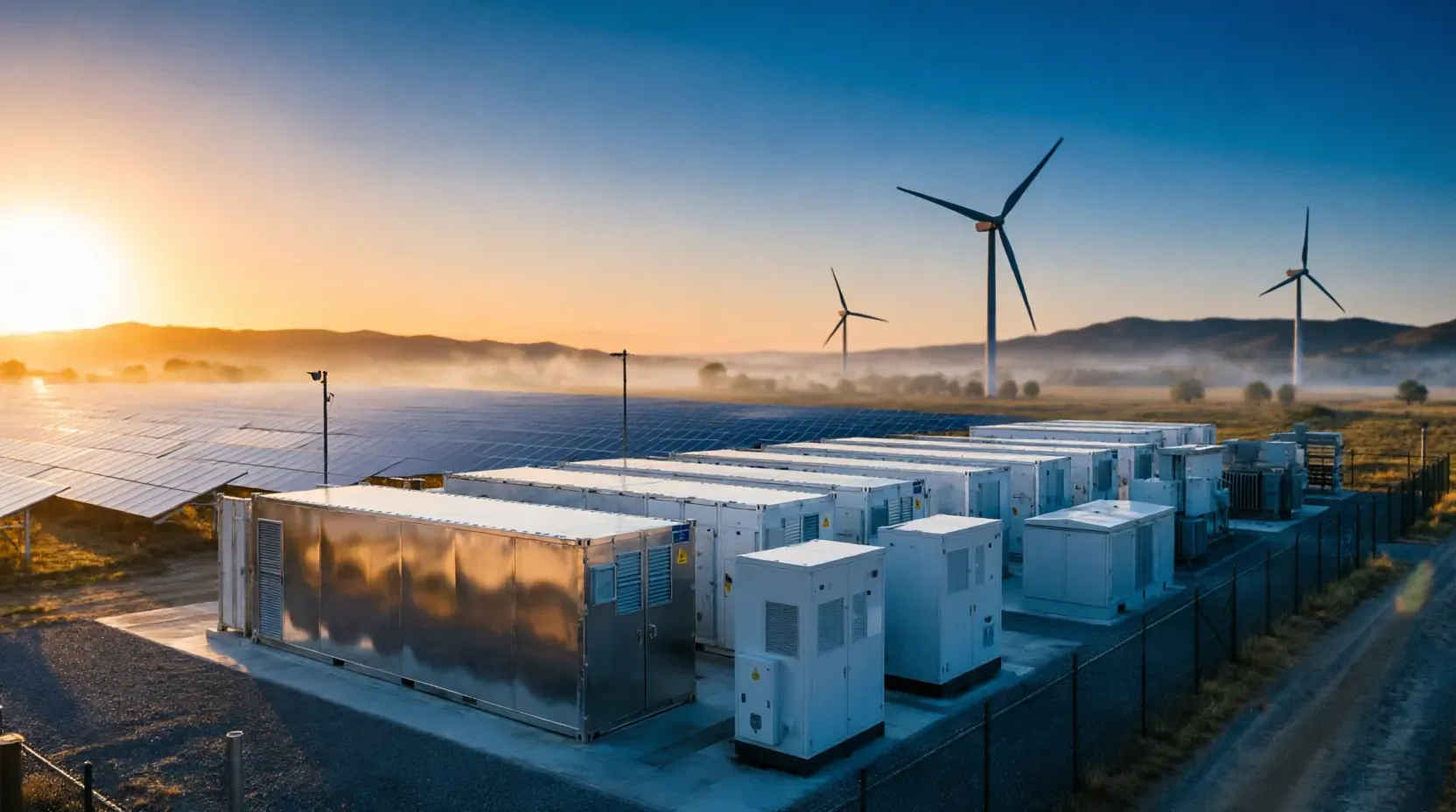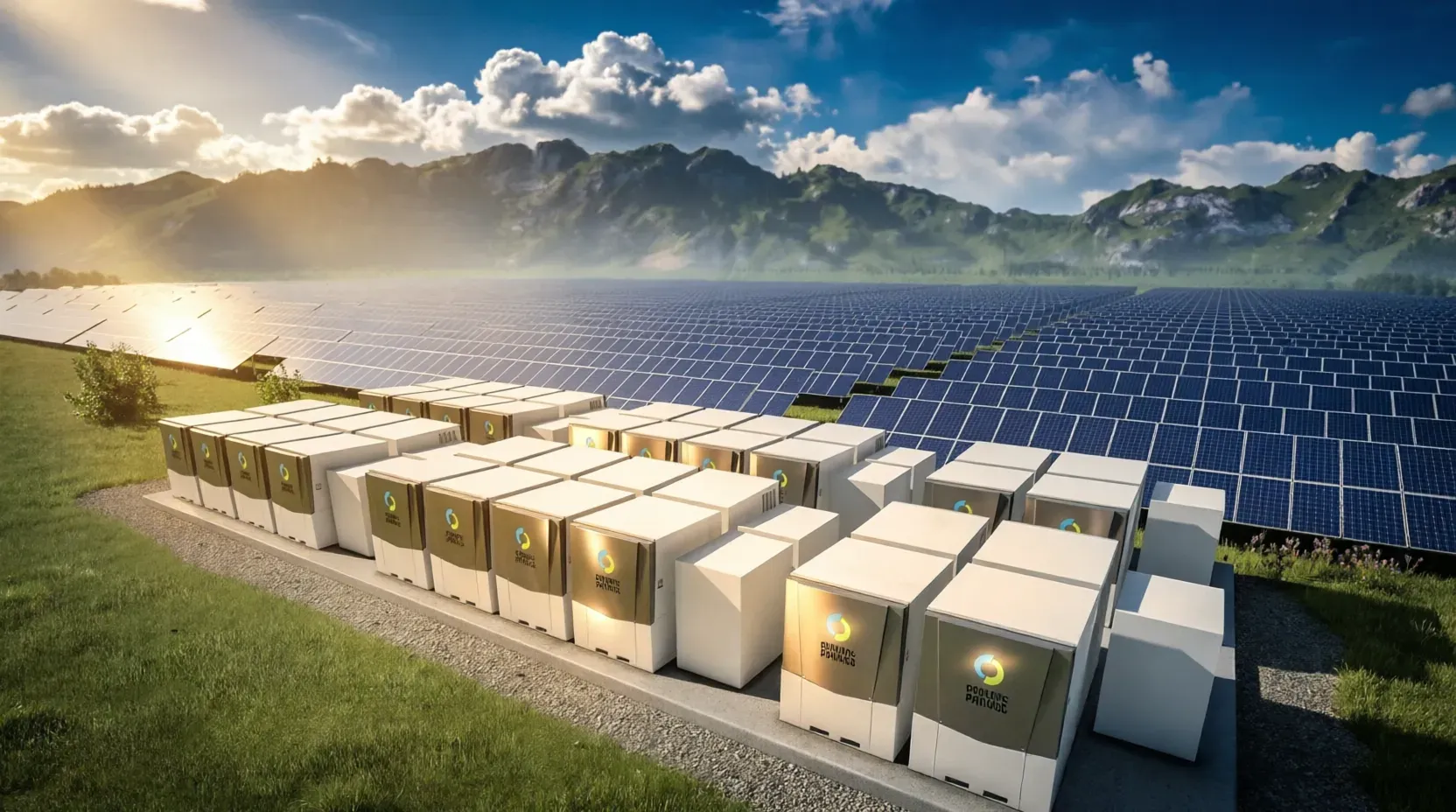
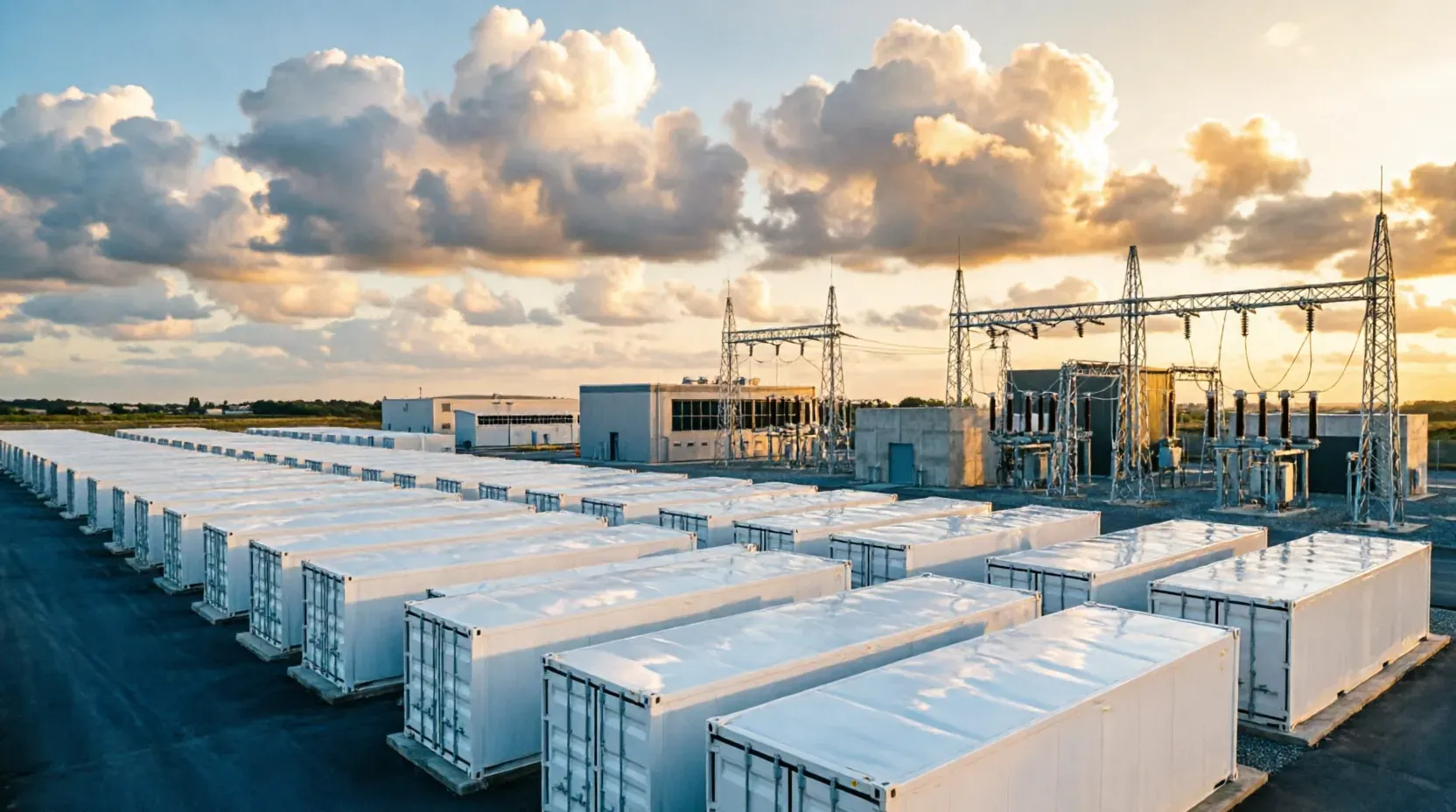
Avangrid, Inc. announced a dual‑purpose initiative that couples a major grid‑scale energy project with a community‑focused investment in early childhood education. The company will construct the Shutler Energy Storage facility—a 41 MW/82 MWh battery system—on land in Gilliam County, Oregon, with commercial operation slated for 2027. In parallel, Avangrid committed to annual donations of $110,000—$55,000 each to the Condon Early Learning Center and the Arlington Childcare Center—for the life of the project. This combination of infrastructure development and social investment reflects a growing trend among utilities to align reliability‑enhancing assets with workforce‑support measures that are especially critical in rural regions of the Pacific Northwest.
Shutler Energy Storage Project Details
The Shutler Energy Storage project will be sited near two existing Avangrid generation assets and a third facility that is currently under construction, creating a consolidated “large power bank” within the company’s regional footprint. The battery is engineered to discharge at its full 41 MW capacity for two hours, delivering a total of 82 MWh of stored energy—enough to power roughly 3,000 U.S. homes in a single discharge event. Construction is expected to generate approximately 35 local union jobs, providing a short‑term boost to the Gilliam County economy.
Operationally, the storage system will serve Avangrid’s independent Balancing Authority, the entity responsible for real‑time coordination of supply and demand across the company’s 3 GW of generation capacity in the Pacific Northwest. By adding a fast‑responding, flexible resource, Avangrid aims to:
- Improve coordination among its wind, solar, and conventional assets, allowing more efficient use of existing transmission and distribution infrastructure.
- Mitigate the variability inherent in renewable generation, smoothing peaks and valleys in output.
- Reduce reliance on conventional peaking generators, thereby lowering emissions and operating costs.
Avangrid CEO Jose Antonio Miranda emphasized that the battery “adds a flexible resource that will strengthen grid reliability, support good‑paying jobs, and help ensure the energy we generate is available when communities need it most.” Power CEO Sy Oytan added that the added flexibility will enable the company “to respond quickly to changing grid conditions and operate our fleet more efficiently every day.” Together, these statements underscore the strategic role of the storage asset in enhancing the resilience of Avangrid’s regional grid while supporting the broader corporate goal of reliable, low‑carbon power delivery.
Community Childcare Investment
Alongside the technical rollout, Avangrid pledged $55,000 per year to each of two nonprofit childcare providers—the Condon Early Learning Center and the Arlington Childcare Center—for the entire lifespan of the project. Gilliam County Judge Cris Patnode highlighted that “the cost and availability of childcare are barriers to a sustainable workforce,” and described the partnership as a means to “reduce the cost of childcare, and open more available slots for families across Gilliam County.”
Haylee Andrews, Executive Director of the Condon Early Learning Center, expressed sincere gratitude, noting that the agreement provides “lasting support” for early childhood education in the region. Similarly, Mark Moore, Board President of the Arlington Childcare Center, said the investment “provides working families with greater security, allows local businesses to thrive, and ensures that our community’s children have access to quality early learning experiences for years to come.” By linking the battery project to tangible community benefits, Avangrid seeks to address workforce stability—a critical factor for the successful construction, operation, and maintenance of large‑scale energy infrastructure in rural areas.
Grid Reliability and Market Relevance
Avangrid’s 3 GW Pacific Northwest footprint positions the company as a key reliability anchor in the region’s evolving energy market. While the 41 MW storage addition represents a modest share of total capacity, its fast‑response capability makes it disproportionately valuable for balancing short‑term fluctuations, especially as wind and solar penetration continues to rise. The battery will act as a key enabler for the Balancing Authority’s real‑time operations, helping to smooth variability from renewable generation and reducing the need for conventional peaking resources that are typically more expensive and carbon‑intensive.
From a market perspective, the project aligns with broader regulatory and policy signals that encourage utilities to integrate storage as a core component of grid modernization. By delivering a large, centrally located power bank, Avangrid not only bolsters its own operational flexibility but also contributes to regional reliability objectives that benefit other market participants and end‑users.
Key Takeaways
- Shutler Energy Storage will be a 41 MW/82 MWh battery located in Gilliam County, Oregon, and is expected to be operational in 2027.
- Avangrid will donate $110,000 annually—$55,000 each to Condon Early Learning Center and Arlington Childcare Center—for the life of the project.
- The battery will support Avangrid’s independent Balancing Authority, enhancing real‑time supply‑demand coordination across its Pacific Northwest generation fleet.
EnergyInsyte's Take
The project illustrates how utilities are pairing grid‑scale storage with community‑focused investments to address both reliability and workforce stability. Executives should monitor the battery’s integration timeline and its impact on Avangrid’s balancing operations, while also watching how the childcare funding model influences local labor availability for future infrastructure projects. Uncertainties remain around the actual performance of the storage asset and the long‑term sustainability of the annual donations.
Source: Businesswire