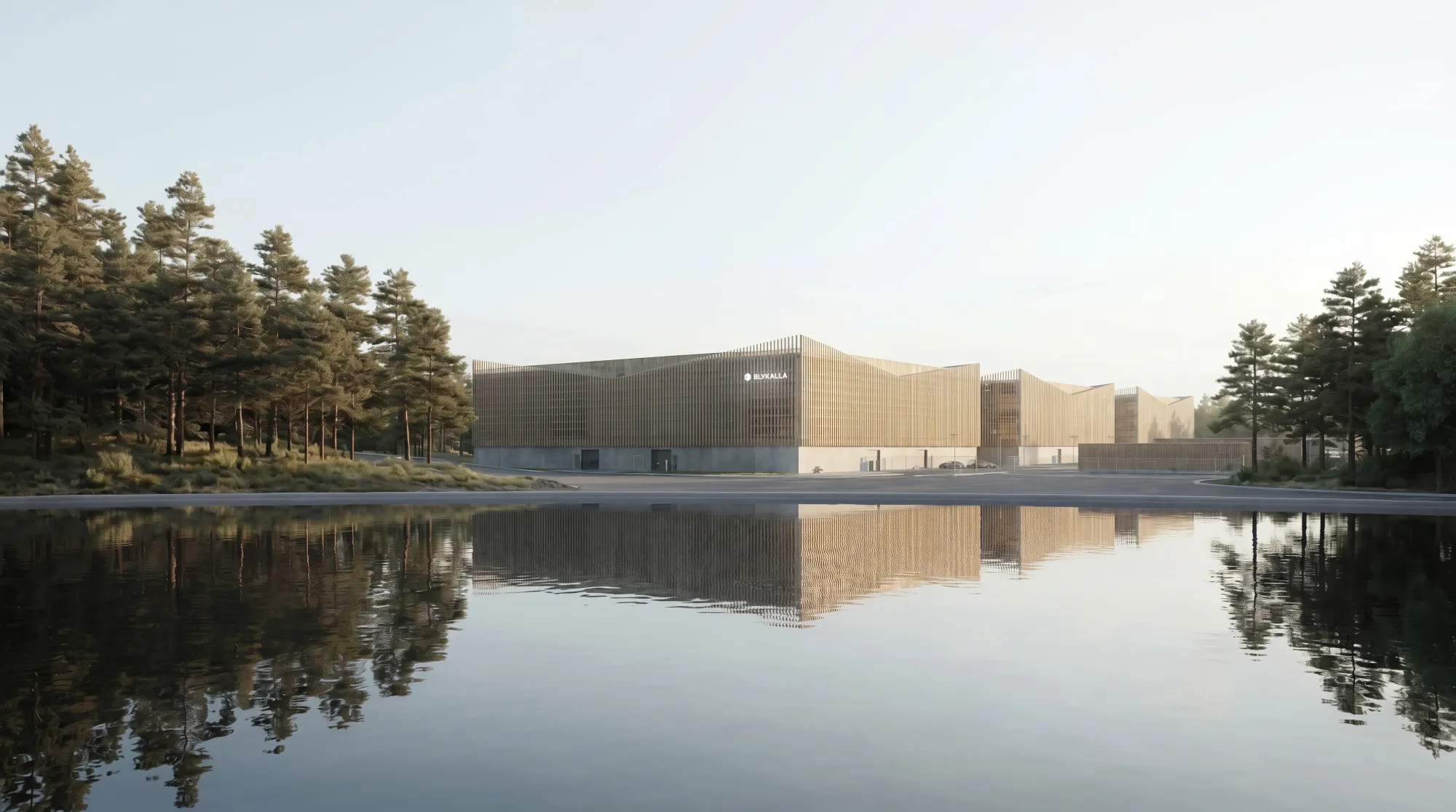
Blykalla has submitted what it says is the first-ever application to the Swedish government to build a commercial advanced nuclear reactor park in Sweden. The proposed site is in Norrsundet, two hours north of Stockholm, and would consist of six lead-cooled advanced modular reactors (AMRs) producing 330 megawatts (MW) of baseload power.
What Happened
The application seeks approval to build Sweden’s first commercial advanced nuclear reactor park in Norrsundet, in the municipality of Gävle. Blykalla said the facility would use six AMRs and would generate 330 MW.
CEO Jacob Stedman said, “This application is a historic first for Sweden. We’re not just planning an advanced reactor park – we’re building Sweden’s energy future and putting the country at the forefront of the global nuclear power renaissance,” adding that modern energy systems need to be “predictable, reliable and fossil-free.”
The company said the Swedish government review will trigger a comprehensive approval process involving multiple agencies, including the Land and Environmental Court and the Swedish Radiation Safety Authority. Municipal approval from Gävle is also required.
Project or Policy Context
Blykalla said it selected Norrsundet because of its location between two key bidding zones, SE2 and SE3, along with an existing port, key infrastructure, and industrial heritage. The company said those factors could reduce construction complexity while helping address regional power shortages with baseload power.
The filing comes as Europe faces pressure to power a digital economy while maintaining energy independence and meeting climate goals, according to Blykalla. The company argues that Sweden needs more consistent baseload power alongside renewables to support modern industry.
Blykalla also framed the application as an initial step in a broader shift in Swedish energy supply toward advanced nuclear power.
Market Relevance
For energy executives, utilities, and industrial buyers, the significance is less about immediate supply and more about what this signals for future capacity planning. If approved and built, a 330 MW advanced nuclear site could add a new source of steady power in a region where predictable generation matters for grids, industry, and electrification.
The company said AMRs and lead-cooling can offer rapid deployment and flexible siting. It also said the reactors could be co-located with industrial facilities, which would place power closer to demand. Those attributes may be relevant for operators and investors looking at long-duration reliability rather than intermittent output.
Blykalla said its reactors build on lead-cooled technology deployed since the 1960s, combined with patented Swedish research and materials innovation. The company said its proprietary and patented aluminum alloyed steels can withstand the corrosive nature of liquid lead.
Infrastructure Impact
The project would depend on a multi-agency approval path before any construction decision. That means permitting, environmental review, radiation safety oversight, and local municipal approval all remain gating items.
Blykalla’s choice of Norrsundet also suggests infrastructure will matter as much as reactor design. The company highlighted the site’s port access and existing industrial base, which may help with logistics, construction sequencing, and integration into regional power systems.
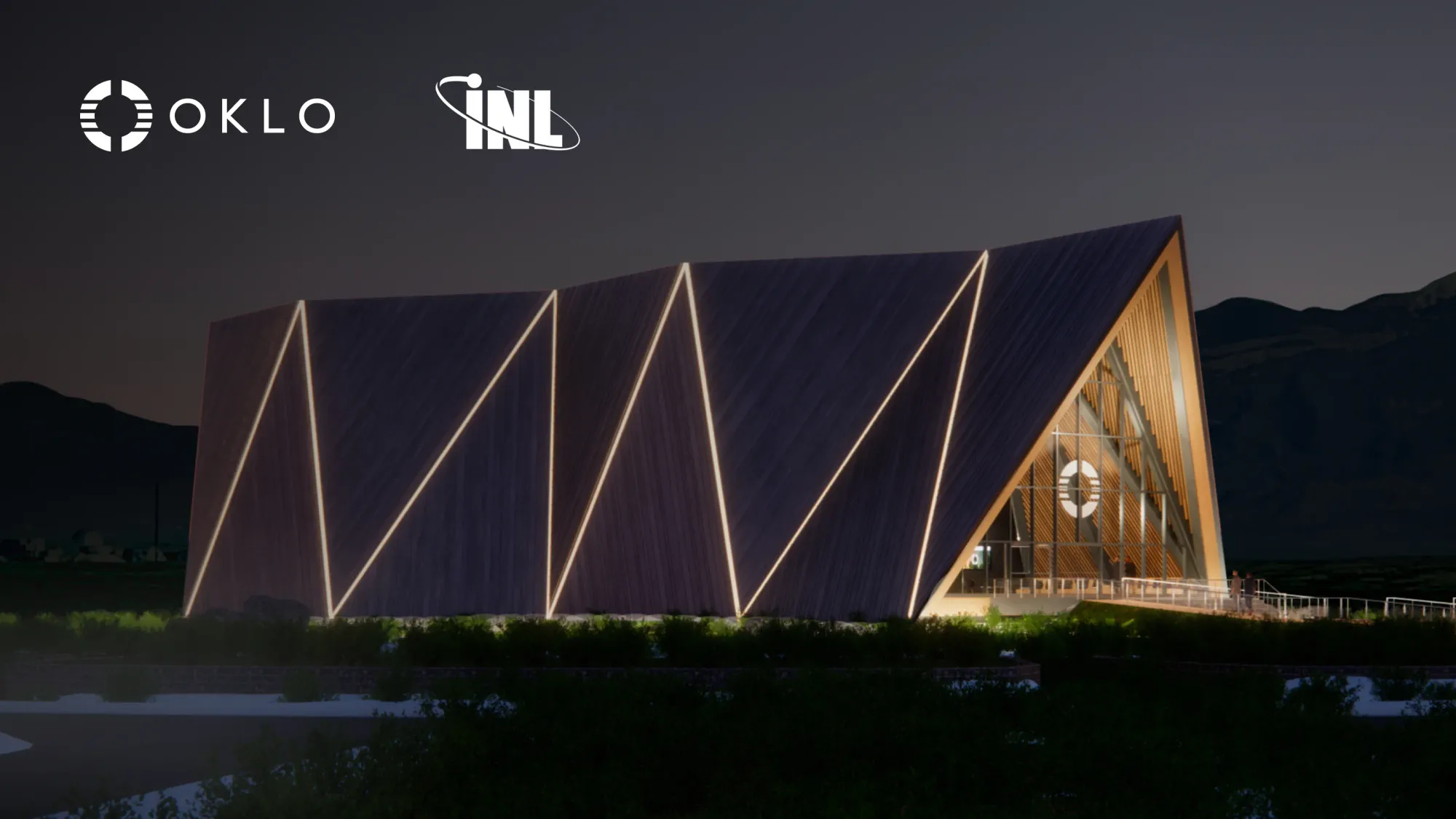
Blykalla is also expanding in the United States and said it has partnered with Oklo to support select technical workstreams on Oklo’s DOE-authorized reactor pilot project, including neutronics and thermohydraulics analyses. The company said this collaboration is intended to help Oklo accelerate technology development while Blykalla advances its own deployment capabilities.
Key Takeaways
- Blykalla submitted the first-ever Swedish government application for a commercial advanced nuclear reactor park.
- The proposed project in Norrsundet would use six lead-cooled AMRs to generate 330 MW.
- Approval still requires review by multiple agencies and municipal approval from Gävle.
EnergyInsyte's Take
This is a meaningful permitting milestone, but it remains an early-stage one. For decision-makers, the immediate watch items are regulatory process, local acceptance, infrastructure fit, and whether the project can move from concept to credible execution on timeline and cost.
The business case for advanced nuclear will depend on whether the technology can deliver predictable baseload power with manageable construction complexity and licensing risk. Blykalla is positioning the project around those needs, but the company did not disclose further details in the announcement on schedule, capital requirements, or delivery milestones. That leaves the strategic question open: whether this filing becomes a template for commercial advanced nuclear deployment in Sweden, or simply the first step in a long approval process.
Source: Businesswire