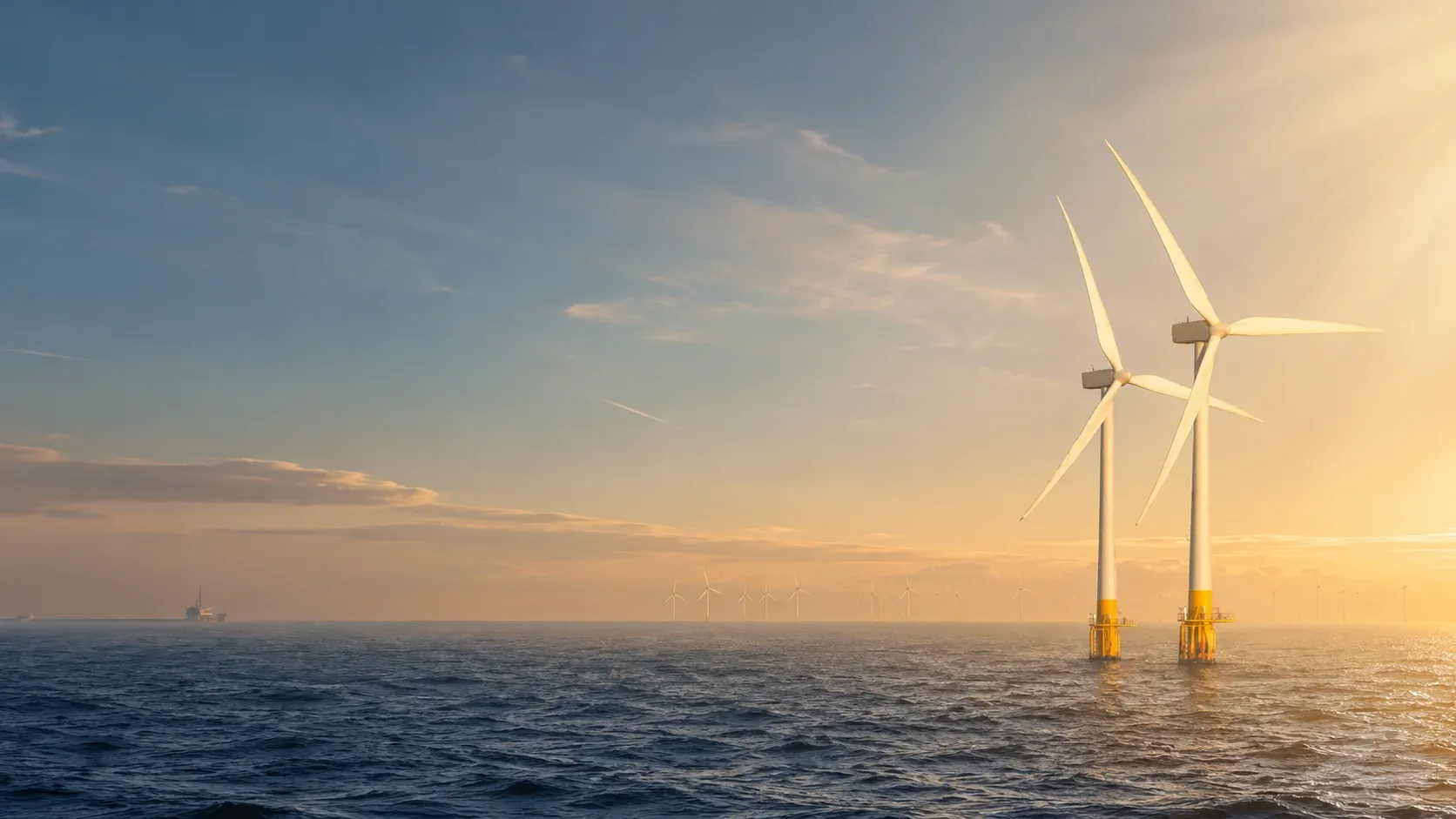
ComEd announced that its Renewable Energy Credit (REC) contracts will exceed $10 billion by the end of 2025, representing 383 million MWh of new wind and solar generation in Illinois. The scale of the contracts is intended to broaden customer access to clean power, support long‑term cost containment, and deliver measurable emissions reductions for the utility’s 11 million customers.
ComEd Reaches $10 B REC Contract Milestone
The utility disclosed that cumulative REC contracts under its portfolio will top $10 billion at the close of 2025. The contracts, which span up to 20 years, lock in payments to renewable developers and provide the financial certainty needed to bring new generation online. In 2025 alone, ComEd added roughly 105 million RECs, marking one of the largest single‑year expansions of renewable support in the state’s history.
REC contracts represent the environmental attributes of electricity generated from wind or solar projects. By purchasing and retiring these credits, ComEd complies with Illinois’ Renewable Portfolio Standard and helps offset the emissions associated with its broader generation mix. Andrew Plenge, vice president of Strategy & Energy Policy at ComEd, said the milestone “reflects the scale and durability of Illinois’ clean energy policies and the important role RECs play in bringing new renewable generation online.”
Illinois Policy Framework Supporting the Expansion
Illinois’ Renewable Portfolio Standard, administered by the Illinois Power Agency (IPA) and approved by the Illinois Commerce Commission (ICC), requires utilities to source a growing share of electricity from renewable resources. The Climate and Equitable Jobs Act (CEJA) of 2021 further sets a trajectory toward 100 % clean electricity by 2050, with interim targets of 40 % renewables by 2030 and 50 % by 2040.
Under these statutes, utilities like ComEd must purchase RECs to demonstrate compliance. The REC contracts are awarded through IPA‑run processes and overseen by the ICC. ComEd’s multi‑year Grid Plan, submitted to the ICC in January, aligns its capital program with state goals, earmarking investments for additional residential and commercial solar, battery storage, high‑efficiency heat pumps, and other emerging technologies.
Distributed Solar and Community Projects Growth
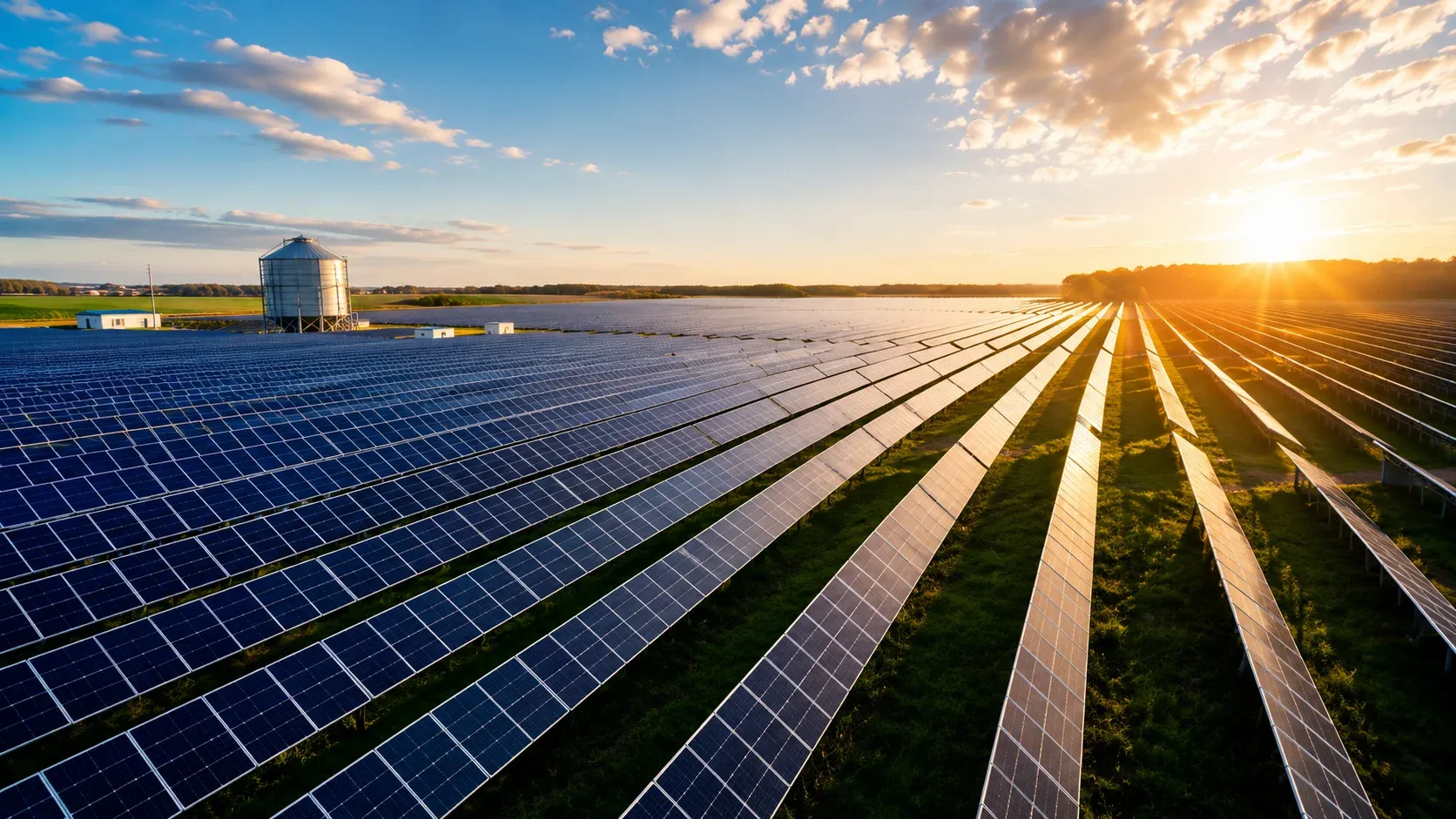
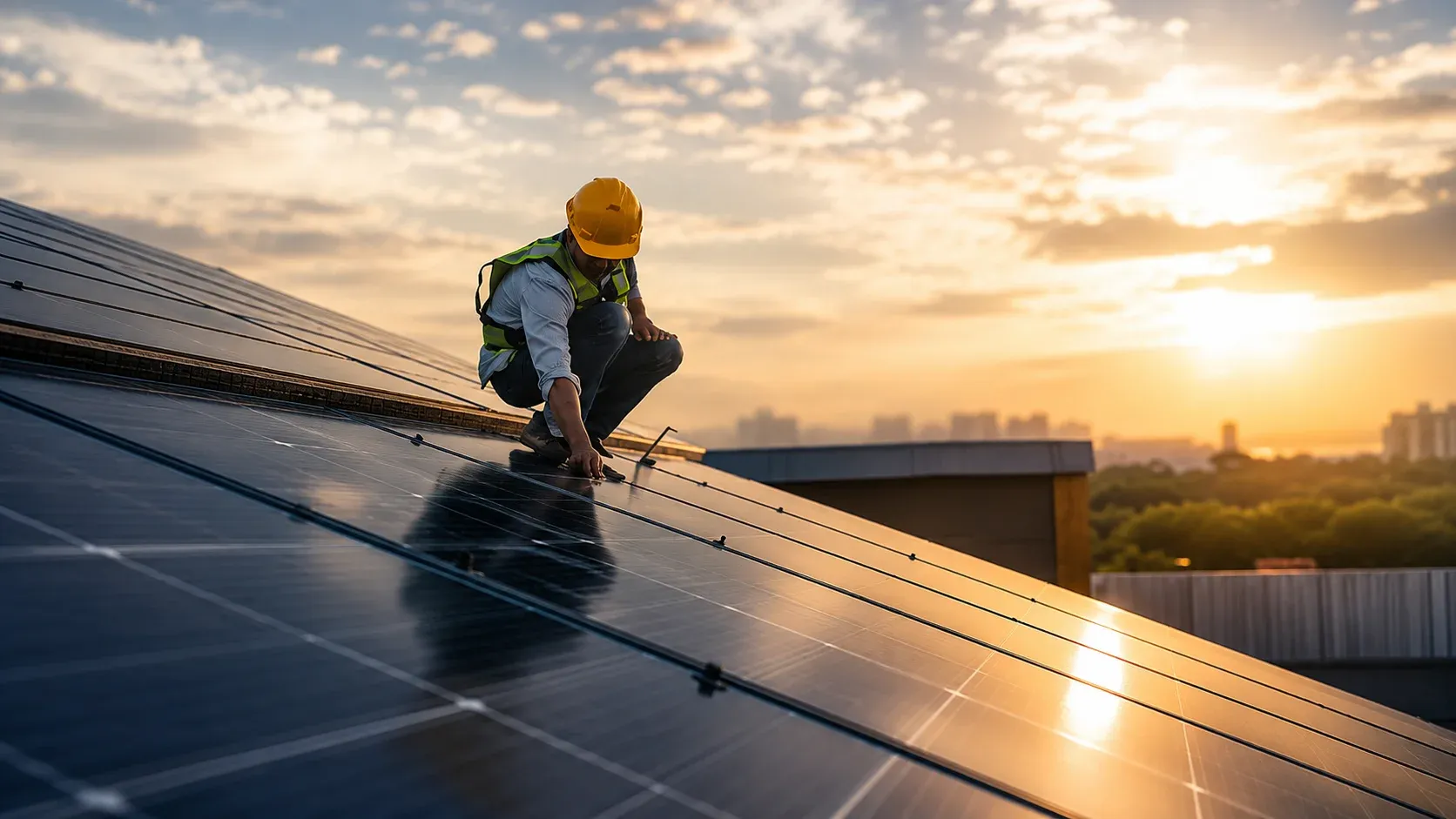
Distributed energy resources (DER) on ComEd’s system have risen to 1.7 GW, up from 1 GW in 2024. The growth includes more than 2,000 commercial and nearly 80,000 residential rooftop solar installations—enough to power approximately 306,000 homes for a year. Community solar projects also expanded, with over 270 interconnected to the grid and more than 480 under construction. These projects enable customers without suitable rooftops to subscribe to clean solar power and potentially lower their monthly electricity bills.
The utility’s REC strategy underpins this DER expansion by providing a stable revenue stream for developers, which in turn accelerates project financing and construction timelines.
Key Takeaways
- ComEd’s REC contracts will exceed $10 billion by the end of 2025, covering 383 million MWh of new wind and solar generation.
- In 2025, the utility added about 105 million RECs, one of the largest single‑year increases in Illinois history.
- Distributed solar capacity on ComEd’s grid reached 1.7 GW, supporting roughly 306,000 homes and encompassing over 270 community solar projects.
EnergyInsyte's Take
The $10 billion REC commitment signals that Illinois utilities are leveraging long‑term credit contracts to meet aggressive state clean‑energy targets while offering customers a pathway to lower bills. Executives should monitor how the Grid Plan’s earmarked investments translate into additional DER capacity and whether the REC market remains stable enough to sustain developer financing. Uncertainties remain around future policy adjustments and the pace of battery‑storage integration, which could affect the overall cost and reliability outcomes for utilities and their customers.
Source: Businesswire