
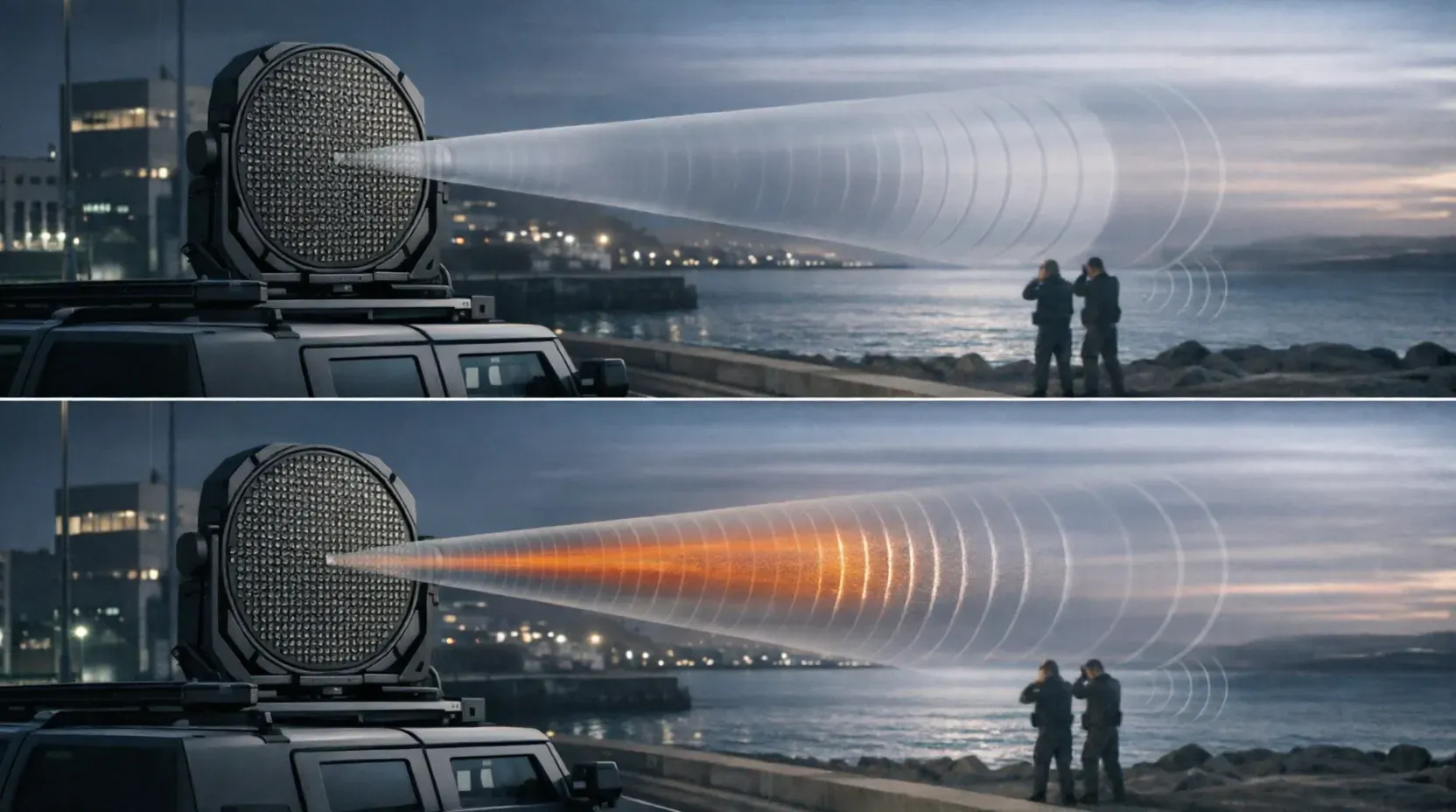
Genasys Inc. announced a $2 million follow‑on purchase of its LRAD 950NXT systems from one of the nation’s largest utility companies. The order follows a recent installation of the same technology at a major substation and expands remotely operated monitoring to additional sites, underscoring growing demand for active acoustic surveillance in critical energy infrastructure.
Genasys Receives $2 M Follow‑On Order
The utility’s new contract adds LRAD 950NXT units to several substations, extending the capability that was first demonstrated at a single major substation earlier this year. The systems are designed to operate remotely, integrating with the substation’s existing physical‑security suite, which includes multi‑sensor perimeter intrusion detection supplied by integration partner iEnet.
CEO Richard Danforth highlighted that the 950NXT “are fully integrated with the substation’s existing physical security” and that the company expects further orders from this and other utilities. Danforth also noted rising interest from dams, nuclear facilities, data centers, and other critical‑infrastructure sites for the “enhanced surveillance and first response capabilities” of the LRAD platform.
Enhancing Physical Security for Grid Assets
The LRAD 950NXT devices convert passive monitoring into an active first‑response tool. By broadcasting attention‑commanding alerts, warnings, and critical notifications, the system can deter trespassing, vandalism, copper‑wire theft, and component damage—threats that Danforth says are increasingly affecting U.S. and international power grids.
According to the announcement, the 950NXT meets the North American Electric Reliability Corporation’s (NERC) physical‑security requirements across six functions: Detect, Assess, Communicate, Respond, Delay, and Deter. When paired with sensor inputs, the LRAD can automate 24/7 surveillance, reduce false alarms, limit the need for in‑person security patrols, and establish larger standoff zones around critical assets.
Signal of Growing Demand for Active Acoustic Defense
The follow‑on order signals that large utilities are moving beyond “observe‑only” security installations toward solutions that provide remote, audible first‑response capability. While Genasys did not disclose the total number of units or the specific substations involved, the company’s statement that “further orders are expected from this and other utilities” suggests a broader shift toward acoustic deterrence in the sector. The announcement also references interest from non‑utility critical sites, indicating that the market for LRAD technology may be expanding beyond traditional power‑grid applications.
Key Takeaways
- Genasys secured a $2 million follow‑on order for LRAD 950NXT systems from one of the nation’s largest utility companies.
- The 950NXT units integrate with existing physical‑security sensors, meet NERC requirements, and provide remote audible alerts to deter threats such as trespassing and copper theft.
- Genasys expects additional orders from this utility and others, while noting rising interest from dams, nuclear facilities, and data centers.
EnergyInsyte's Take
The order illustrates that large utilities are willing to invest in active acoustic defenses to complement existing sensor networks, a move that could reduce reliance on costly physical patrols. However, the scale of deployment and the cost‑benefit profile remain unclear, and executives should monitor how quickly additional utilities adopt similar solutions and whether regulatory guidance evolves around acoustic deterrence.
Source: Businesswire