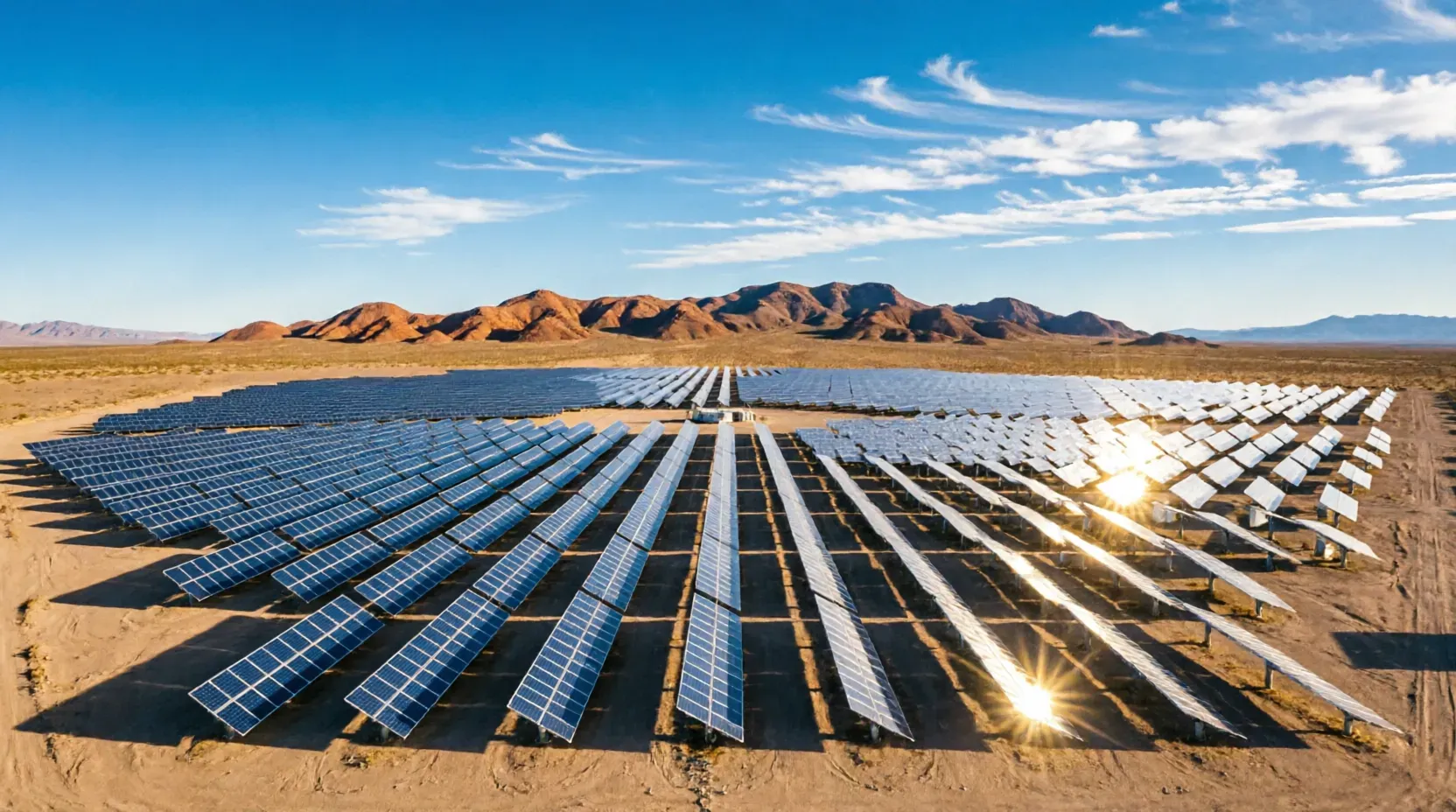
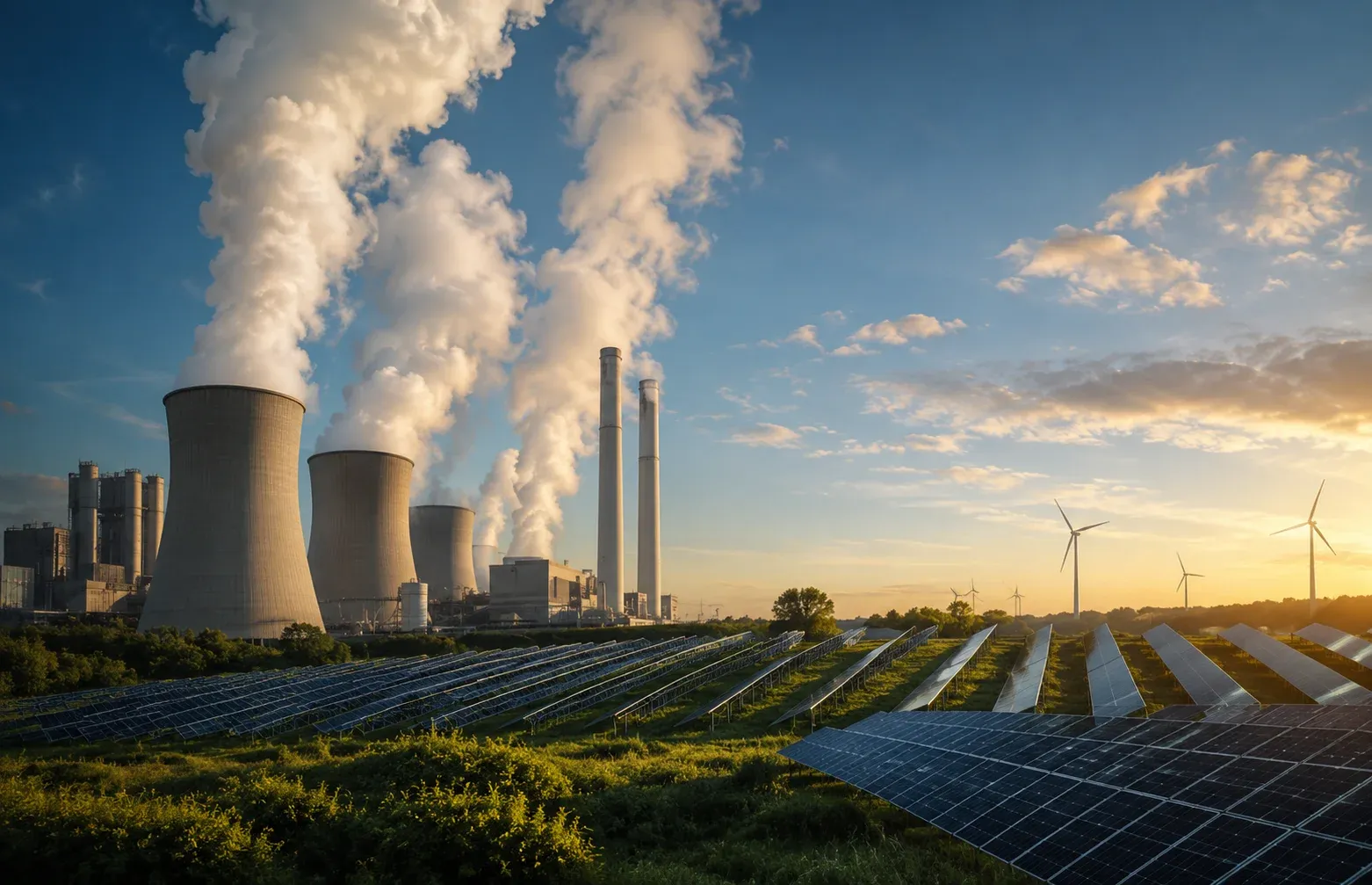
The International Renewable Energy Agency has released a new report, “24/7 renewables: The economics of firm solar and wind,” arguing that solar and wind paired with battery storage can now deliver reliable round-the-clock electricity at competitive costs in strong resource regions. The finding is important because it directly challenges one of the most common criticisms of renewables: that solar and wind are cheap when available, but too variable to replace firm fossil-fuel generation.
IRENA’s message is not simply that renewables are low-cost. The stronger point is that firm renewable power is becoming commercially relevant. Firm power means electricity that can be supplied reliably across more hours of the day, rather than only when the sun is shining or the wind is blowing. By combining solar, wind, and battery storage, project developers can shift electricity production into higher-value hours, improve grid use, and reduce exposure to fuel-price volatility.
This matters for utilities, energy buyers, and governments because the electricity market is changing. Demand is rising from data centers, artificial intelligence workloads, manufacturing, electrification, and industrial growth. These users need power that is not only clean, but also dependable. IRENA specifically notes that round-the-clock renewables can serve demanding electricity users such as data centers, AI workloads, and manufacturing, where uninterrupted supply is a commercial requirement.
The economics are becoming more compelling because both solar and battery technologies have improved sharply. In a related IRENA expert analysis, the agency noted that solar-plus-battery systems have moved from demonstration projects to a core part of national energy-transition strategies. It also said battery-pack prices fell by 93% since 2010, reaching USD 192/kWh for utility-scale systems in 2024.
The result is a different conversation around renewables. In the earlier phase of the energy transition, solar and wind were often judged by their levelised cost of electricity. That was useful, but incomplete. The next stage is about firm cost, storage integration, dispatchability, grid services, and the ability to match clean generation with real demand patterns.
This is especially important for countries exposed to imported fossil fuels. Gas and coal plants depend on fuel supply, commodity prices, and geopolitical stability. Solar and wind projects have upfront capital costs, but once built, they are less exposed to fuel-price shocks. Battery storage adds another layer by allowing renewable power to be moved into evening peaks, high-price periods, or reliability-critical hours.
IRENA’s report also signals a shift in investment logic. A renewable project with storage is no longer just an emissions-reduction asset. It can be a reliability asset, a price-hedging asset, and an energy-security asset. That makes 24/7 renewables relevant not only for climate policy, but also for industrial strategy, grid planning, and corporate power procurement.
However, the opportunity depends on execution. Markets need better storage rules, faster grid connections, long-term contracts, flexible market design, and investment in transmission. Without those enablers, even cost-competitive renewable projects can face delays or underperform their potential.
EnergyInsyte Take
IRENA’s 24/7 renewables report marks an important turning point. The renewables debate is moving beyond “cheap clean power” toward reliable clean power. Solar and wind paired with batteries are becoming serious competitors to fossil-fuel generation in firm-power economics, especially in strong resource regions. For EnergyInsyte readers, the key takeaway is clear: the next renewable-energy winners will be the projects that combine low cost, storage, flexibility, and grid value.
Source link: IRENA