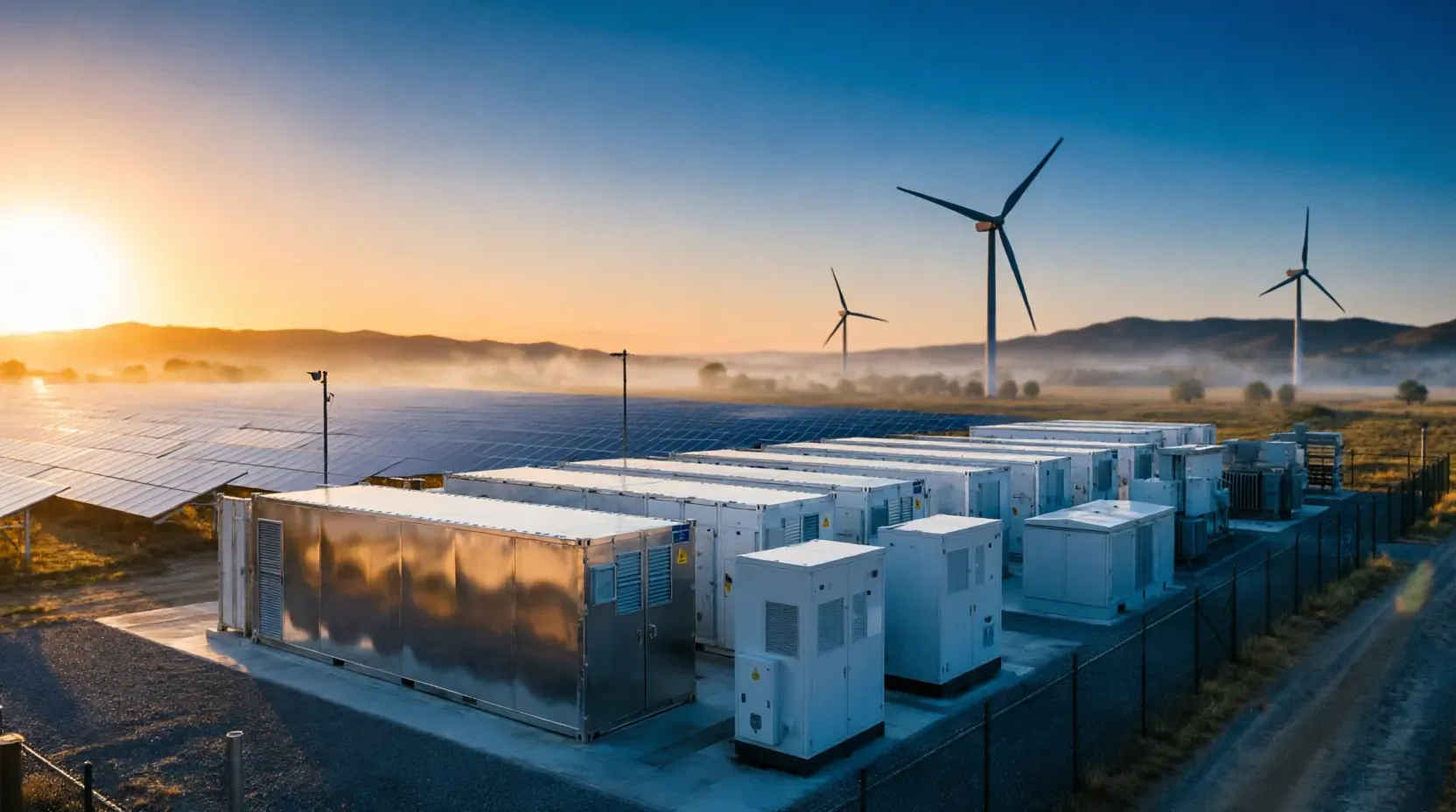
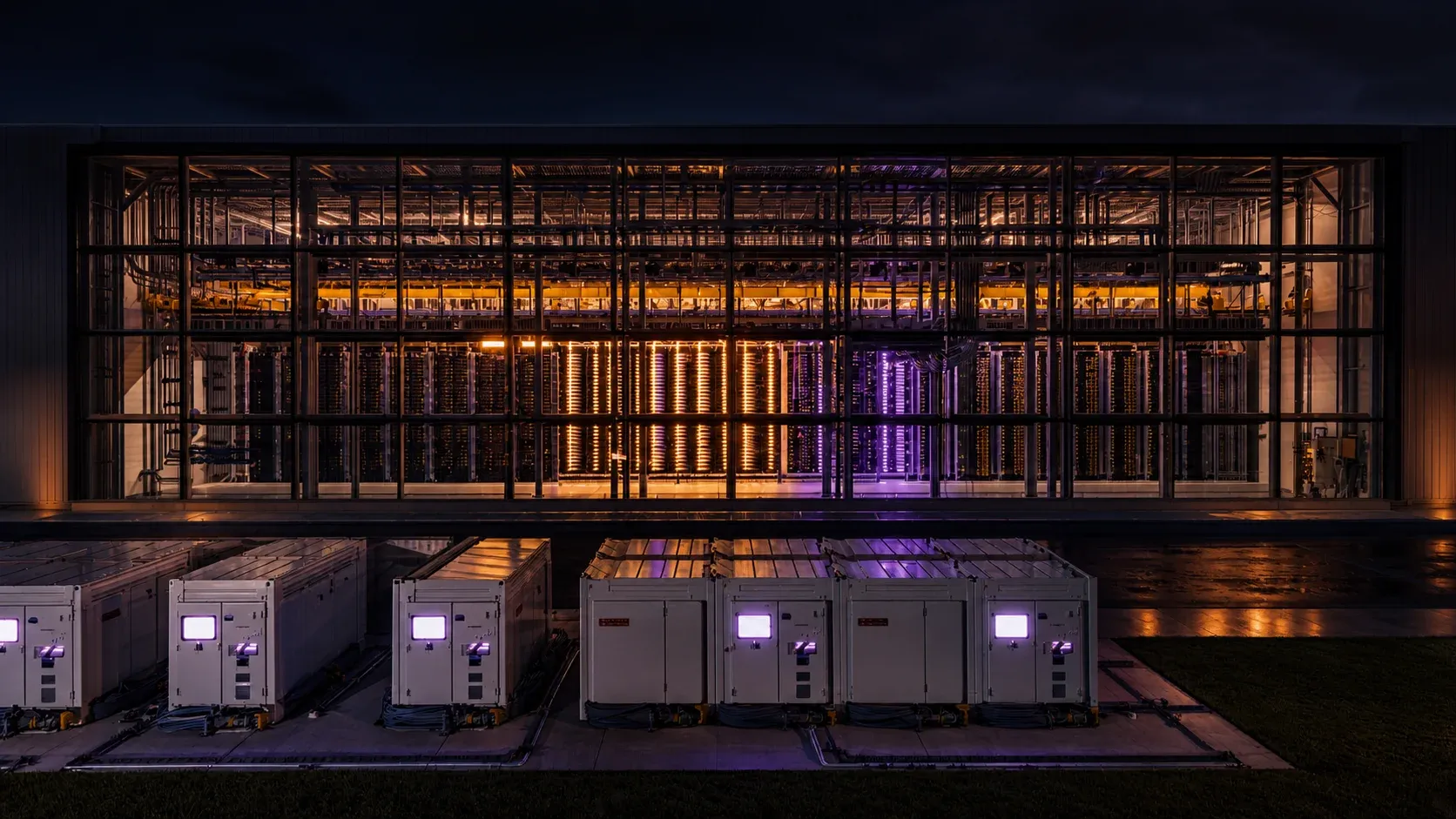
Artificial intelligence is changing the power market in a blunt and physical way: data centers need electricity all the time.
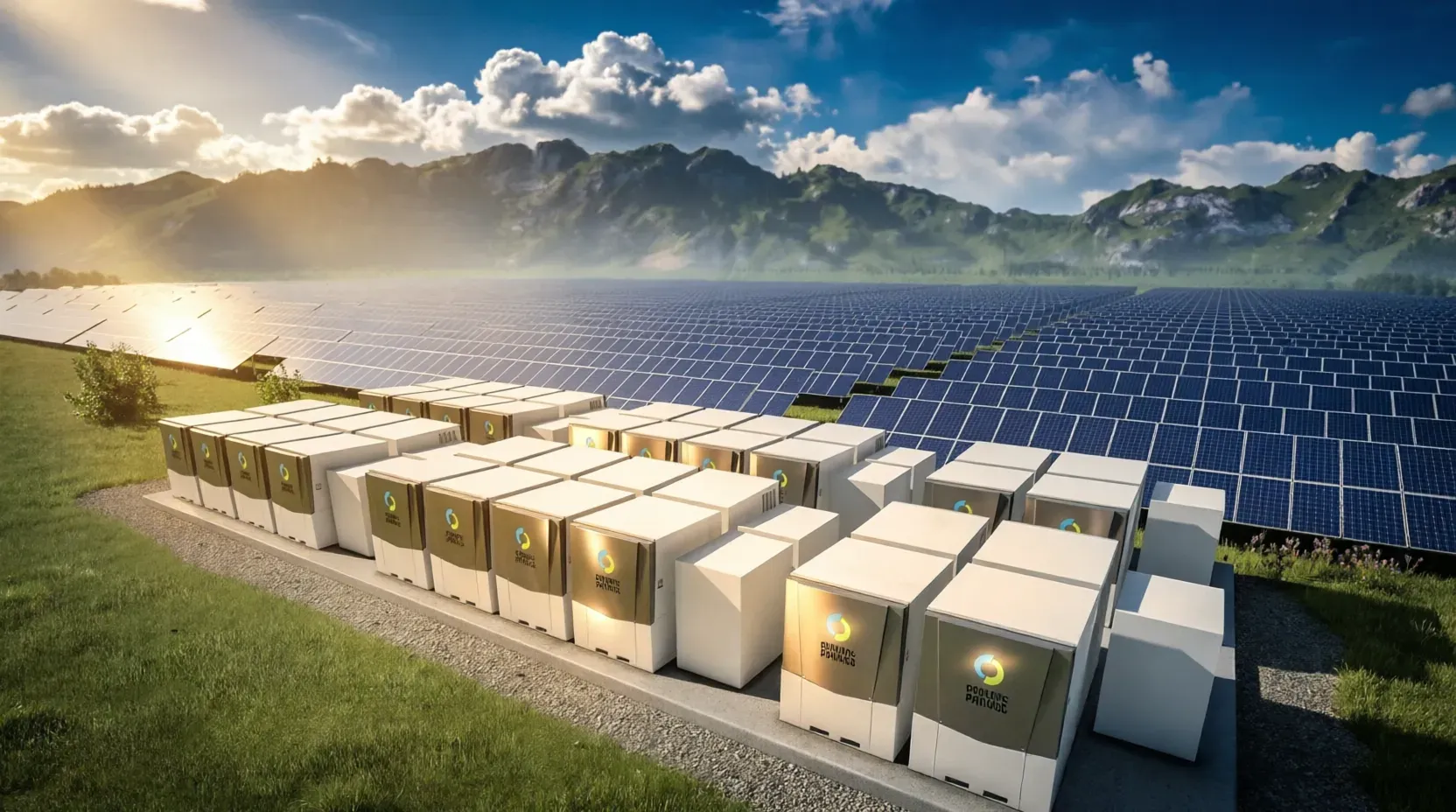
That demand is increasing interest in long-duration energy storage, or LDES, because short-duration batteries alone may not be enough to support the next phase of AI infrastructure. Reuters reported that soaring AI and data center energy demand is accelerating deployment of LDES technologies that can provide power for more than eight hours or even multiple days.
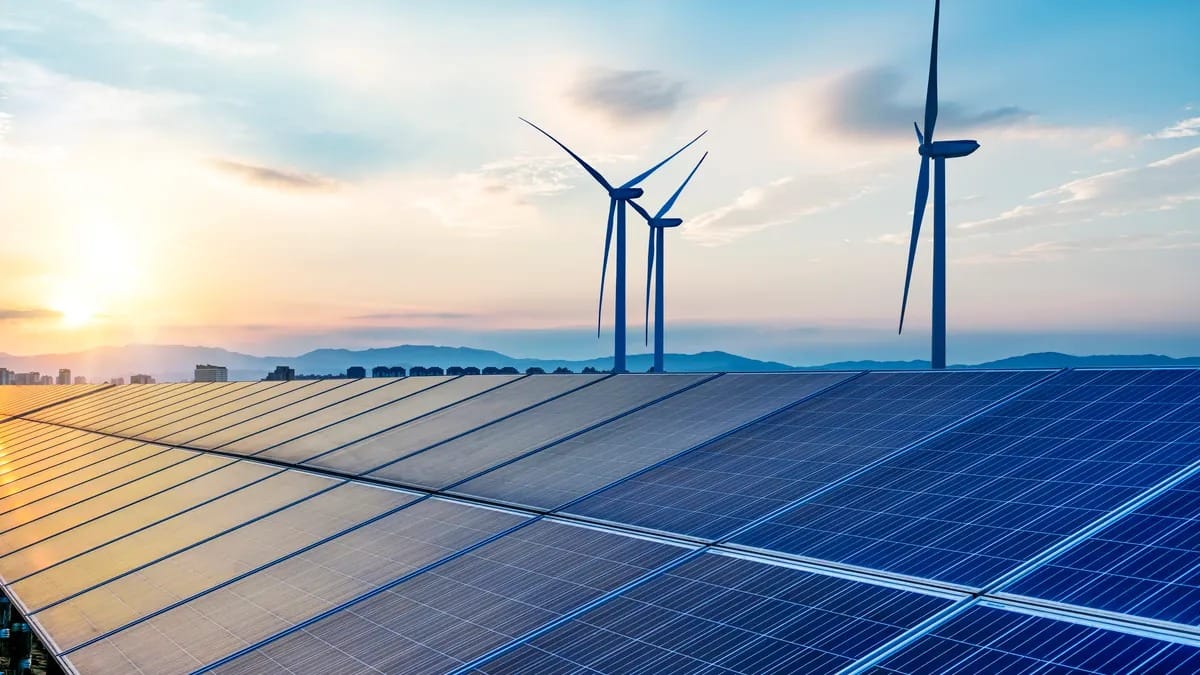
This matters because the clean energy transition has a timing problem. Solar and wind can generate large volumes of low-cost electricity, but data centers need reliable power at night, during cloudy periods, during wind lulls, and during grid stress.
LDES is becoming one of the technologies designed to close that gap.
Why AI Data Centers Need More Than Standard Batteries
Most grid-scale battery projects today are built around lithium-ion systems that typically provide two to four hours of storage. That is useful for evening peaks, grid balancing, and short-term renewable shifting.
But AI data centers create a different challenge.
They need high reliability, large loads, and power availability across long windows. A four-hour battery may help during a short grid event. It does not solve a multi-day renewable shortfall or a prolonged grid constraint.
Reuters reported that the U.S. added a record 57.6 GWh of battery storage in 2025, but much of that capacity remains dominated by lithium-ion batteries with shorter durations. The pressure from AI workloads is pushing utilities and technology companies to examine alternatives such as iron-air, molten salt, zinc-based, and flow battery systems.
LDES Is Moving From Theory to Projects
Long-duration storage has been discussed for years, but AI power demand is improving the business case.
Reuters reported that Xcel Energy, with Google, is rolling out a 1.6 GW clean energy project in Minnesota that includes a 300 MW / 30 GWh long-duration energy storage system. Google is also linked to a Michigan project with 480 MW of storage, including 55 MW from LDES technologies.
These projects are important because they connect three markets that used to be discussed separately:
- data center load growth
- clean energy procurement
- grid reliability
Instead of buying renewable energy certificates and hoping the grid can handle the rest, large technology buyers are increasingly looking for structured power solutions that combine generation, storage, and reliability.
On-Site Power Is Becoming Part of the Data Center Strategy
Data center developers are not only buying power from the grid. Some are planning generation directly tied to data center sites.
Reuters reported that developers are planning to build 56 GW of on-site power generation for data centers, representing roughly 30% of planned data center capacity based on Cleanview data.
That number shows how much the market has changed. Data centers are no longer passive electricity customers. They are becoming active participants in energy infrastructure planning.
LDES fits naturally into that model. If a data center has on-site solar, wind, gas backup, or utility-linked generation, storage can help smooth output, reduce curtailment, support backup, and lower exposure to grid bottlenecks.
Energy Storage Demand Is Entering a Boom Cycle
The storage market is already expanding, and AI demand could accelerate that growth.
Reuters reported that global energy storage demand could increase by 40% year over year in 2026, according to UBS Securities. The same report quoted the view that electricity is the biggest bottleneck for robust U.S. AI data center demand.
This creates opportunities across the storage value chain:
- LDES technology providers
- battery management systems
- power electronics
- project developers
- utilities
- engineering, procurement, and construction firms
- grid software companies
- data center energy teams
- financing platforms
The prize is not only battery capacity. It is reliable, dispatchable, contracted clean power.
What Counts as Long-Duration Energy Storage?
The LDES Council describes long-duration energy storage as storage covering durations from eight hours to seasonal. Its members span multiple countries and technologies, reflecting the broad range of solutions being developed.
LDES is not one technology. It includes several approaches:
- iron-air batteries
- flow batteries
- compressed air storage
- thermal storage
- molten salt systems
- zinc-based batteries
- gravity storage
- hydrogen-based storage
- pumped hydro
Different use cases require different durations. A data center may need hours of firming, while a national grid with high renewable penetration may need multi-day or seasonal balancing.
India Adds Another Layer to the LDES Story
LDES is also relevant for emerging markets, especially those expanding renewable energy quickly.
The LDES Council released a whitepaper in April 2026 outlining how long-duration energy storage can support India’s 500 GW renewable target and strengthen energy security.
For India, the issue is not only AI data centers. It is also grid reliability, renewable integration, industrial growth, and energy security. As solar and wind scale, storage duration becomes more important for evening demand, monsoon variability, grid balancing, and reduced fossil backup.
That makes LDES a strategic technology for both advanced data center markets and fast-growing energy systems.
The Business Takeaway
AI has created a new energy reality: clean power must also be firm power.
Short-duration batteries will remain important, but they are not enough for every use case. Long-duration energy storage is gaining momentum because it can help bridge the gap between variable renewable generation and 24/7 digital infrastructure demand.
For EnergyInsyte readers, the key insight is simple: the AI boom is not only increasing electricity demand. It is changing what kind of electricity buyers need.
The next wave of clean energy deals will not be judged only by megawatts. They will be judged by reliability, duration, location, and deliverability.
FAQ
What is long-duration energy storage?
Long-duration energy storage generally refers to technologies that can store electricity for eight hours or longer, with some systems designed for multi-day or seasonal storage.
Why do AI data centers need LDES?
AI data centers need reliable 24/7 power. LDES can help support clean power when solar and wind output is low or when grid conditions are stressed.
Is LDES already being deployed for data center demand?
Yes. Reuters reported projects involving Google-linked demand and long-duration storage systems, including a Minnesota project with a 300 MW / 30 GWh LDES component.
Source Pack
- Reuters: Soaring AI demand spurs roll-out of long duration energy storage: use for the core story, including AI/data center demand, LDES projects, Google-linked deployments, and the limits of short-duration lithium-ion batteries.
- Reuters: AI power dash transforms clean energy offtake market: use for data center developers planning on-site generation and the shift in clean energy contracts.
- Reuters: Data centres to drive energy storage boom cycle: use for the UBS view that AI data centers are driving storage demand and that electricity is a key bottleneck.
- LDES Council official site: use for the definition and industry positioning of long-duration energy storage as storage lasting from eight hours to seasonal durations.
- LDES Council India whitepaper announcement: use for India-specific context around renewable growth, energy security, and the need for LDES.