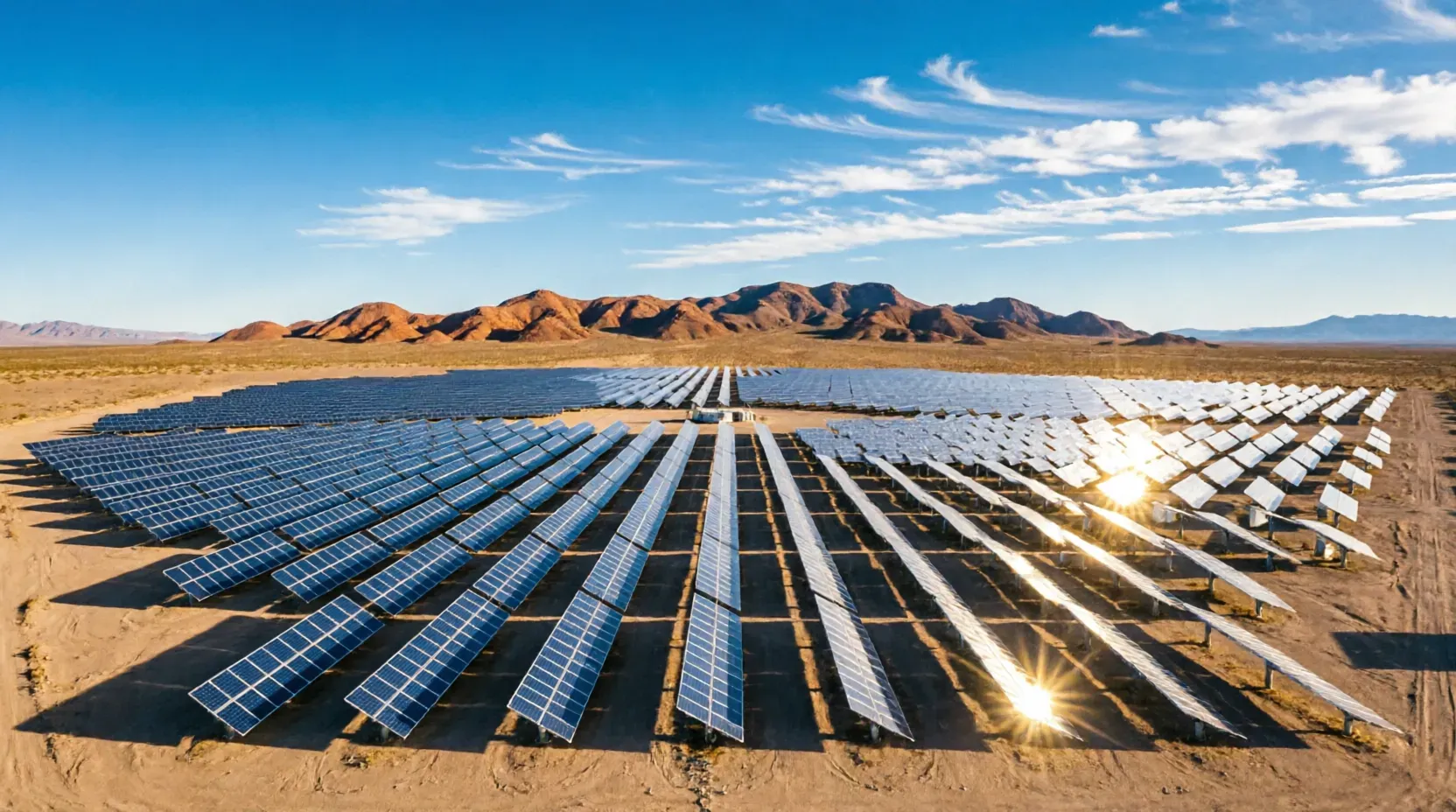
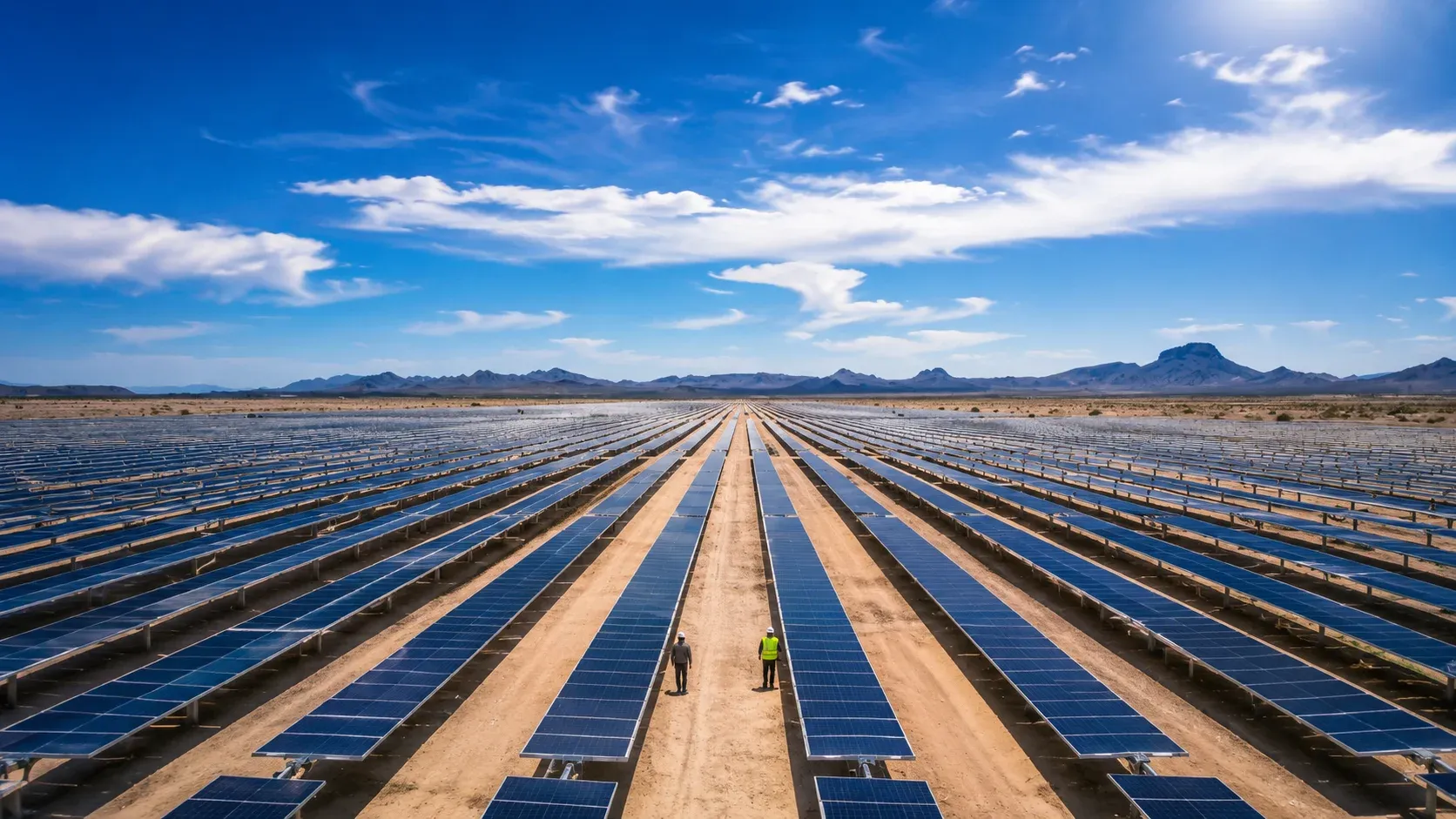
Longroad Energy has started commercial operations at Sun Pond, a utility-scale solar-plus-storage project in Maricopa County, Arizona. The project combines 111 MWdc of solar capacity with an 85 MWac / 340 MWh battery energy storage system, and its output is contracted through long-term power purchase agreements with Ava Community Energy and San José Clean Energy.
The project matters because solar development is no longer only about producing low-cost electricity during daylight hours. As grids add more renewable generation, the value of solar increasingly depends on whether it can be paired with storage and delivered when customers and the grid need it most. Sun Pond reflects that shift from standalone renewable generation to flexible clean-power infrastructure.
According to Longroad, Sun Pond is expected to generate enough electricity annually to power around 35,000 average American homes. The project is also projected to avoid more than 145,000 metric tons of CO₂ emissions each year, which the company says is equivalent to removing nearly 34,000 gasoline-powered passenger cars from the road annually.
The storage component is the most important part of the project’s market signal. Longroad says the battery system adds firm, flexible capacity, helping make low-cost clean power available when the grid needs it most. This is especially valuable for California-facing energy buyers, where evening demand, renewable intermittency, grid congestion, and reliability planning are major issues.
Sun Pond will serve customers of Ava Community Energy and San José Clean Energy. Ava Community Energy is a not-for-profit public power provider serving more than 2 million residents and businesses in California’s Alameda and San Joaquin Counties, while San José Clean Energy provides electricity generation for homes and businesses in San José.
The project also highlights the growing connection between Arizona renewable development and California clean-energy demand. Arizona offers strong solar resources and land availability, while California energy providers continue to procure renewable energy and storage capacity to support decarbonization and reliability goals. Projects like Sun Pond show how regional power markets are increasingly connected through long-term procurement and clean-energy infrastructure.
Sun Pond is part of Longroad’s larger Sun Streams Complex, a four-project solar and storage development in Maricopa County totaling nearly 1.6 GW of capacity. Longroad says the full complex will provide more than $300 million in benefits to Arizona schools and communities through long-term leases with the Arizona State Land Department and tax payments.
The supplier base also shows how mature the solar-plus-storage value chain has become. Longroad used Fluence’s Gridstack battery energy storage system, First Solar photovoltaic modules, Nextpower smart trackers, and Sungrow solar inverters. McCarthy Building Companies served as the engineering, procurement, and construction contractor, and more than 300 people were employed across contractors and teams at peak construction.
For energy buyers, the lesson is clear. The next wave of clean-power procurement will increasingly prioritize projects that combine renewable generation with flexible storage. Solar alone can reduce emissions, but solar-plus-storage can support reliability, time-shift energy, and provide more useful capacity during peak periods.
EnergyInsyte Take
Sun Pond is a strong example of where the renewable market is heading. Clean energy buyers are no longer only asking for megawatt-hours. They need renewable power that is more flexible, reliable, and aligned with grid demand. Solar-plus-storage projects like Sun Pond are becoming standard infrastructure for utilities, community-choice energy providers, and large buyers trying to balance decarbonization with dependable service.
Source link: PR Newswire