
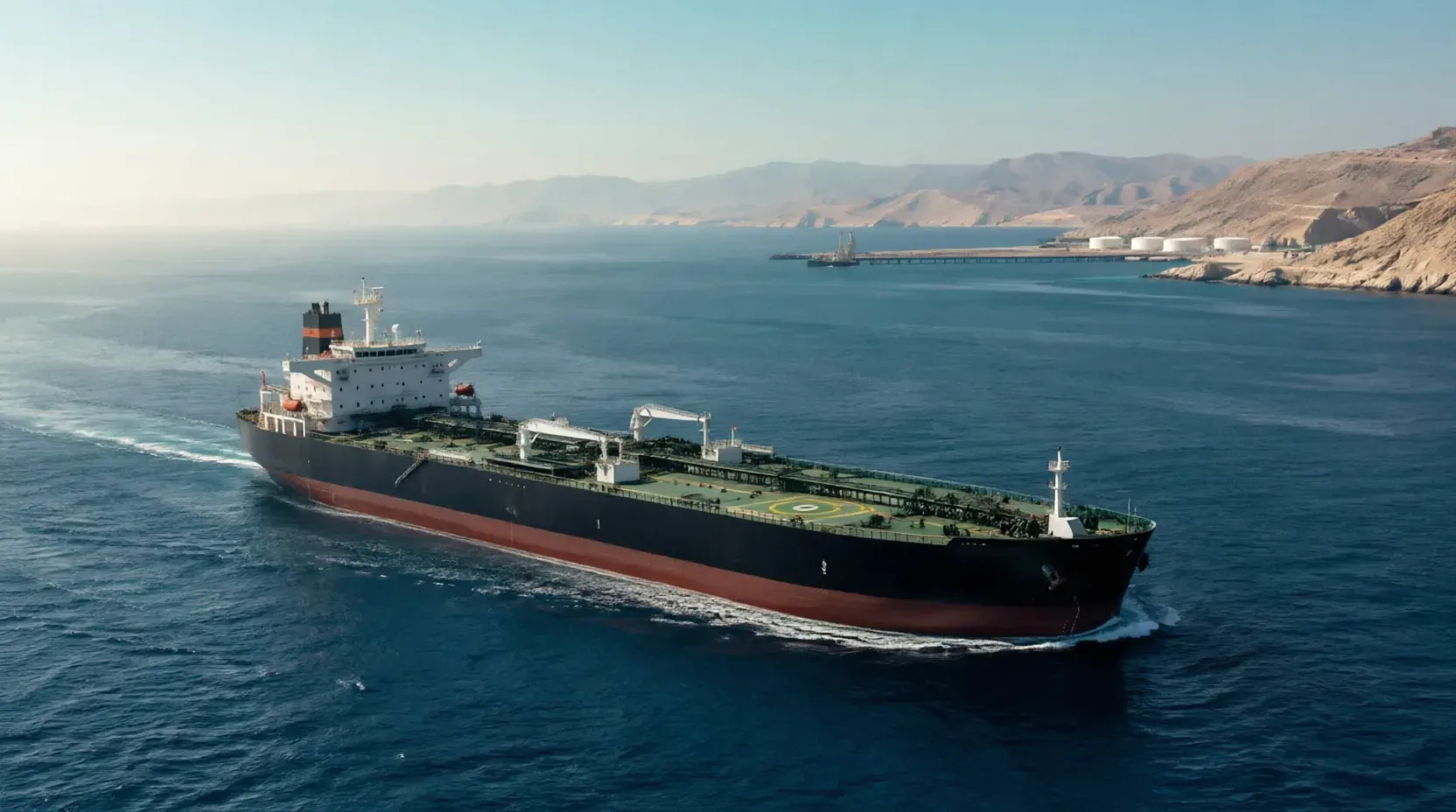
The market’s recent easing of Middle‑East tensions has lowered the geopolitical premium on Brent and WTI, yet refinery margins and product inventories continue to pressure earnings for integrated oil companies. The shift matters to utilities, grid operators, and industrial buyers that depend on stable fuel supplies and predictable price signals across crude, refined products, gas, and power.
Oil Prices Retreat on Partial Restoration of Hormuz Shipping
After several weeks of heightened risk in the Strait of Hormuz, tanker movements through the strategic route have resumed, prompting a “decrease in the short‑term geopolitical premium in Brent and WTI,” according to the June 27 market commentary. Brent and WTI have retreated from the extreme levels seen during the peak of the tension, reflecting traders’ perception that the fear of physical crude shortages is diminishing.
Despite the price pull‑back, the market still “prices in the possibility of further disruptions,” and buyers in Asia—particularly China—remain cautious. Insurance rates, freight costs, and lingering military risks continue to influence forward curves. For oil producers, the lower volatility simplifies supply planning and export scheduling, but companies whose budgets assume a higher price corridor may see share pressure if the premium does not rebound.
U.S. Crude Inventories Fall While Product Stocks Rise
In the United States, commercial crude inventories are declining and the Cushing hub is at “low levels,” a condition that would normally support WTI. In the current environment, however, the easing of geopolitical risk and the recovery of marine flows outweigh the domestic inventory signal, keeping crude prices modest.
Conversely, gasoline and distillate inventories have risen despite the summer demand season. The build‑up suggests that “high processing rates may gradually face issues of profitability” for U.S. refiners. If gasoline, diesel, and gas oil accumulate faster than demand, the crack spread could narrow, eroding refining margins. The commentary separates three markets for investors: crude oil (driven by production, inventories, and geopolitics), oil products (driven by demand, seasonality, and refinery utilization), and retail fuel (reacting later due to logistics, taxes, and inventory structures).
Refining Deficits Keep Oil Products Expensive
Even as crude supplies improve, the oil‑product market remains “tense.” In Asia, the 2026 gap shows rising raw‑material availability but persistent sensitivity of gasoline, diesel, jet fuel, and gas oil to refinery utilization, maintenance schedules, export quotas, and freight costs. The analysis highlights several factors that can keep product prices high despite lower crude:
- Availability of refining capacities and their yield structures
- Quality of crude feeds and the proportion of light‑product output
- Export restrictions and domestic fuel priorities of individual countries
- Transportation, insurance, and storage costs
- End‑use demand from aviation, road transport, industry, and agriculture
These dynamics favor integrated oil companies that own refining, logistics, and terminal assets, as they can better manage the spread between crude input costs and product output prices.
Gas, LNG, and Power Markets Feel Heat and Supply Strain
The global gas market is “gradually emerging from a shock phase” linked to Middle‑East tensions. Recovery in supplies following the reduced Hormuz risk, combined with European winter‑storage injections, supports the European gas outlook. Yet LNG remains sensitive: Asian demand for electricity generation and industrial use competes with Europe’s winter‑fuel preparations, keeping contract prices firm.
European gas also serves as a “balancing power source” during hot summer days when wind output falls and nuclear plants face restrictions. This elevates the role of gas‑fired generation and, by extension, LNG imports. The commentary notes that the cost of alternatives—coal and fuel oil—and regulatory pressures on methane emissions shape LNG pricing and contract negotiations.
Electricity markets in Europe are under stress from “heat…intensified demand for cooling, low wind generation, and restrictions at certain nuclear plants.” The resulting reliance on gas and coal for evening‑hour generation underscores how climate‑driven weather events translate into market risks for power generators and grid operators. Vulnerable regions include those with high import shares, limited grid infrastructure, and rapid renewable growth without commensurate storage or reserve capacity.
Outlook for the Rest of 2024
Looking ahead, the trajectory of oil and energy markets will hinge on three interrelated variables:
- Geopolitical Stability in the Gulf – Even with tanker traffic back on track, any escalation—whether a missile incident or a sudden closure of the Strait—could instantly re‑impose a premium on Brent and WTI. Market participants should keep an eye on naval patrol reports, regional diplomatic talks, and insurance underwriter assessments, which often move ahead of actual shipping disruptions.
- Refinery Maintenance Cycles – The U.S. Gulf Coast and European refining complexes typically schedule major turnarounds in the fourth quarter. If a higher‑than‑expected number of units go offline, product inventories could tighten further, reinforcing price support for gasoline and diesel despite softer crude. Conversely, an early‑season restart would help narrow the crack spread and relieve some margin pressure.
- Seasonal Weather Extremes – The summer heatwave in Europe and Asia is already driving up electricity demand for cooling, while low wind periods strain renewable output. If these patterns persist into early autumn, gas‑fired generation and LNG imports will remain in demand, sustaining elevated gas price baselines and indirectly supporting oil‑product margins tied to power‑generation fuel mixes.
Investors and corporate strategists should therefore model scenarios that combine a modest rebound in geopolitical risk with tighter refinery capacity and continued weather‑driven gas demand. Such a “stress‑test” framework will help identify which integrated oil majors are best positioned to capture spread improvements and which pure‑play producers may face earnings volatility.
Key Takeaways
- Brent and WTI have retreated from extreme levels as “some tankers” resume movement through the Strait of Hormuz, reducing the short‑term geopolitical premium.
- U.S. crude inventories are falling while gasoline and distillate stocks are rising, creating pressure on refinery crack spreads and profitability.
- Despite lower crude prices, oil‑product markets remain tight because of refinery utilization constraints, export restrictions, and logistics costs, keeping gasoline, diesel, and jet fuel prices elevated.
EnergyInsyte's Take
The partial normalization of Hormuz shipping eases crude‑price volatility but does not eliminate the risk of a sudden supply shock, leaving integrated oil firms with a mixed outlook. Executives should monitor tanker traffic, insurance premiums, and refinery utilization trends to gauge when product margins might improve. In parallel, the continued reliance on gas and coal for electricity balancing highlights the need for flexible generation assets and robust grid infrastructure as heat waves and renewable intermittency intensify.
Source :Sergey Tereshkin