SM Investments Corporation announced that the SM Group increased renewable energy sourcing to 31% of its total electricity consumption in 2025, up from 27% in 2024. The move reflects the conglomerate’s broader effort to integrate cleaner power across its retail, property, and banking operations.
SM Group raises renewable energy sourcing to 31% in 2025
The Group sourced roughly 730 million kilowatt‑hours (kWh) of electricity from renewable sources during 2025. That shift avoided 370,644.07 metric tons of carbon emissions, an amount the company equates to taking about 296,954 electric‑powered passenger vehicles off the road for a year. SM Investments President and Chief Executive Officer Frederic C. DyBuncio said the investment “helps us manage long‑term energy costs, improve operational efficiency and build more resilient businesses.”
Geothermal expansion drives SM Group’s clean power strategy
Philippine Geothermal Production Company (PGPC), a wholly‑owned SM Investments subsidiary, operates the Mak‑Ban and Tiwi steam fields in Batangas, Laguna and Albay, supplying geothermal steam capable of generating up to 400 megawatts of clean power. PGPC is developing new geothermal sites at six Luzon locations, which could add another 400 megawatts of capacity. The existing Mak‑Ban and Tiwi fields can produce enough steam to power up to one million households annually. DyBuncio added that “renewable energy, particularly geothermal, can help strengthen long‑term energy security while supporting economic growth.”
Renewable initiatives across SM’s retail, property and banking units
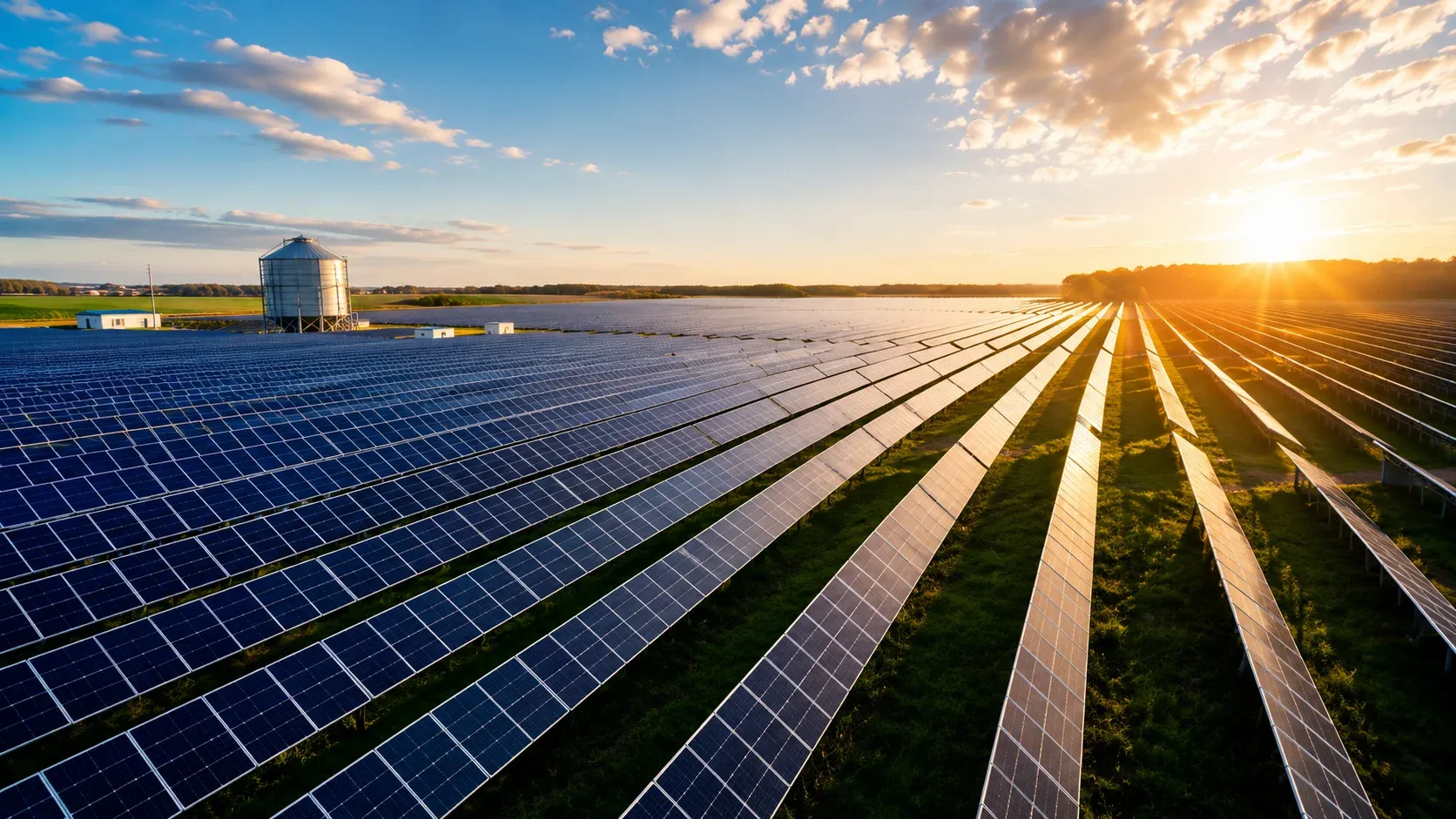
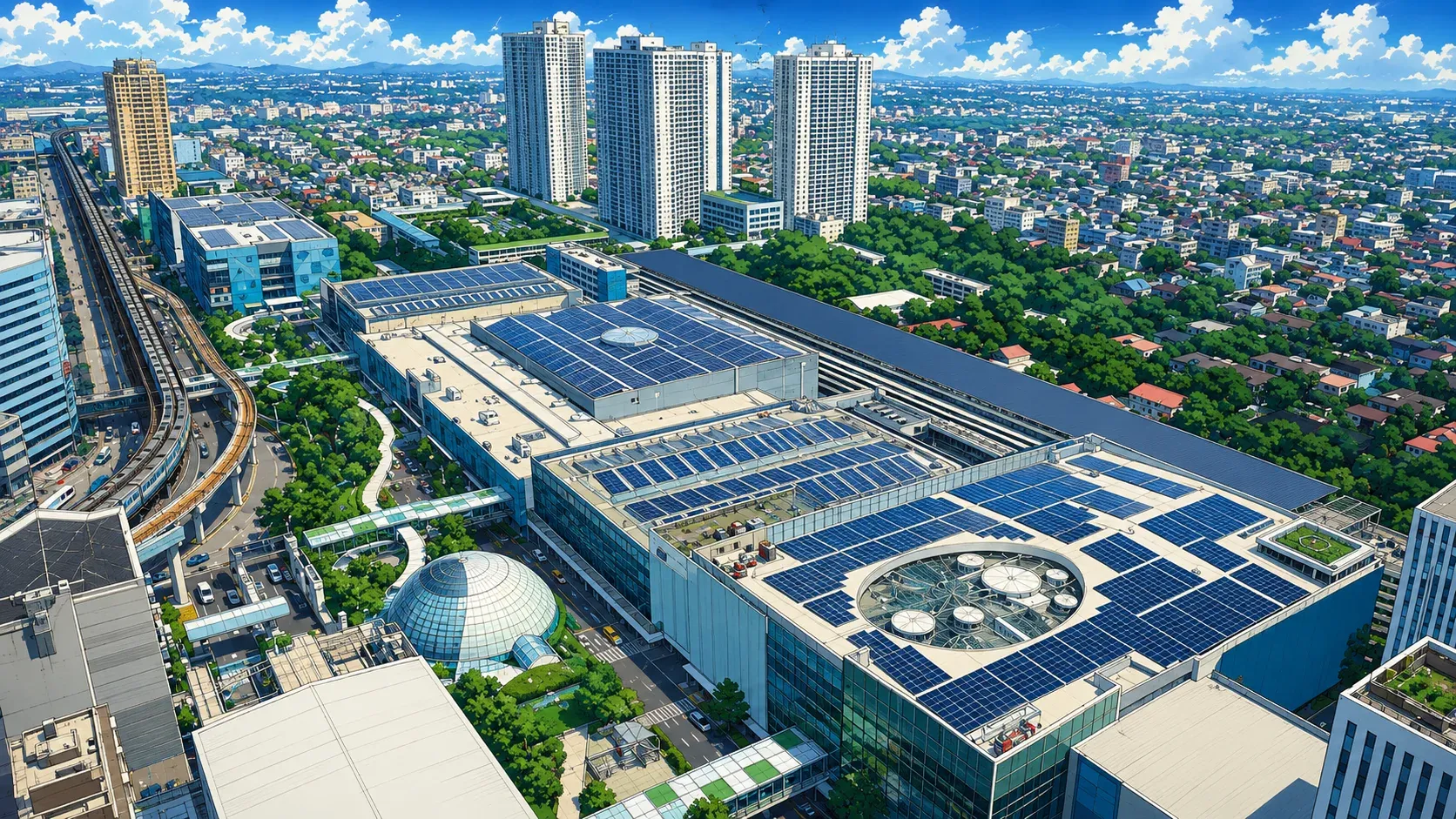
SM Prime Holdings, Inc. has installed more than 200,000 solar panels across 69 properties as part of its energy‑efficiency program. Alfamart installed a 120.28 kilowatt‑peak solar system at its Saraiya Distribution Center in Quezon Province to improve supply‑chain efficiency. In the banking segment, BDO Unibank, Inc. funded PHP 1.21 trillion in sustainable projects by the end of 2025, including 71 renewable‑energy developments worth PHP 177 billion. China Banking Corp. provided PHP 72 billion in financing for energy‑access, renewables and energy‑efficiency projects in 2025.
Key Takeaways
- SM Group’s renewable electricity share rose to 31% in 2025, up from 27% in 2024, representing about 730 million kWh of clean power.
- PGPC’s geothermal operations can generate up to 400 MW and are pursuing an additional 400 MW from new sites in Luzon.
- SM’s retail, property and banking arms contributed solar capacity and PHP 249 billion in sustainable financing during 2025.
EnergyInsyte's Take
The announcement signals a coordinated, multi‑business push toward renewable power within one of the Philippines’ largest conglomerates. While the added geothermal capacity remains under development, the disclosed figures show tangible progress in sourcing and financing clean energy. Executives should monitor the timeline for the new geothermal sites and the scalability of solar installations across SM’s extensive property portfolio.
Source: PRNewswire