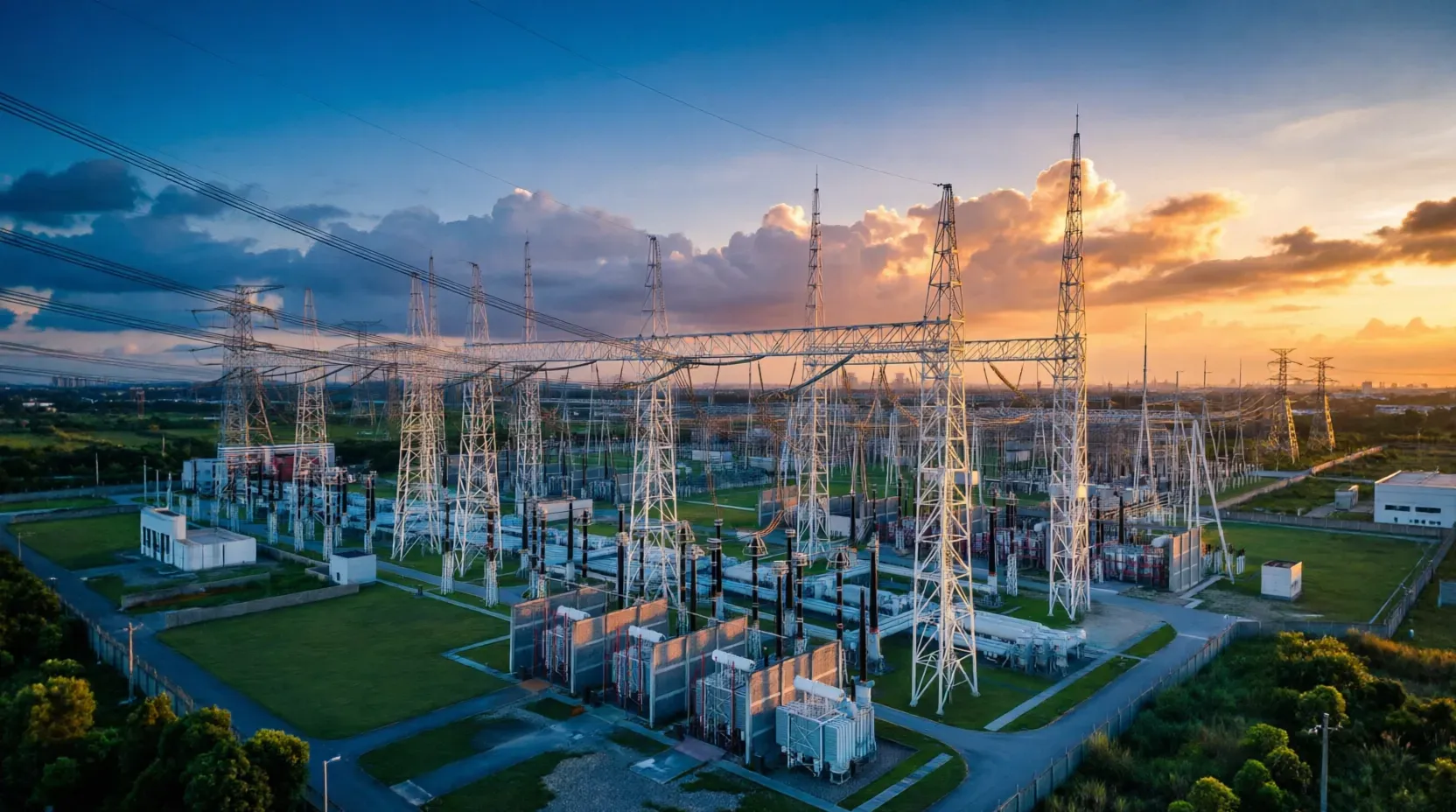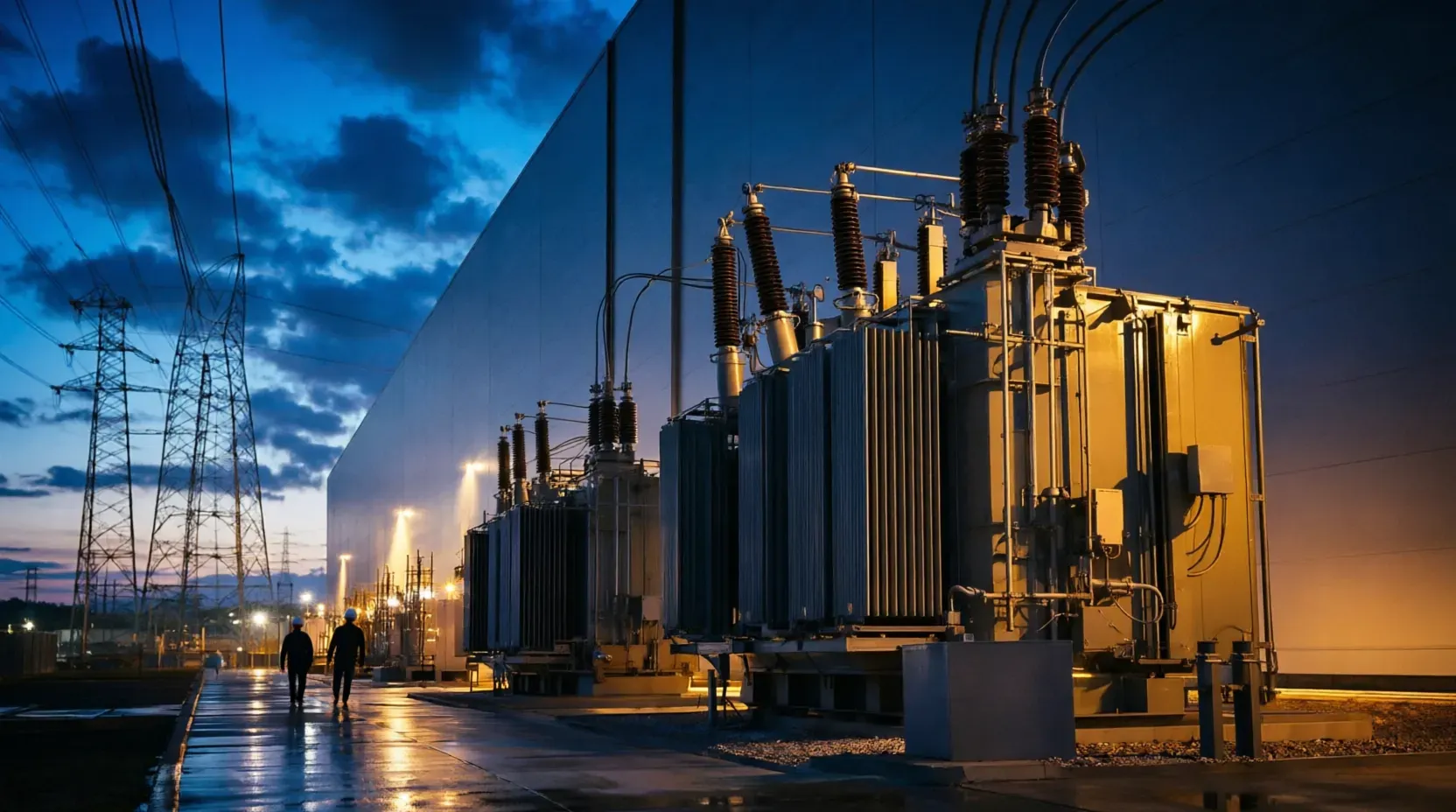
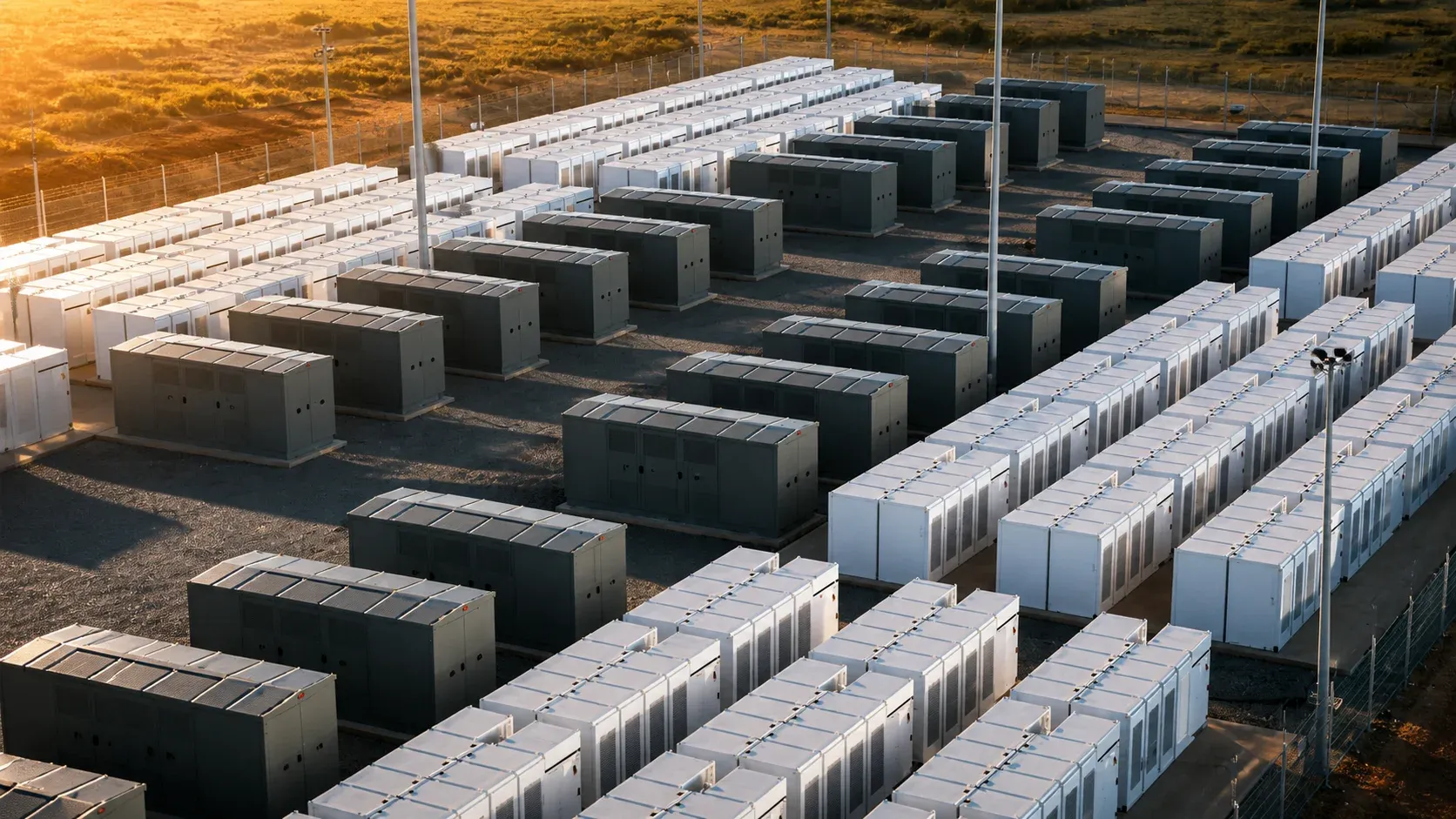
Battery storage is moving from a supporting role in clean energy to a central part of power system planning.
The global energy storage market crossed a major milestone in 2025. Wood Mackenzie reported that annual installations passed 100 GW for the first time, with 106 GW of new capacity added worldwide. The firm said this represented 43% year-on-year growth from 73 GW in 2024 and lifted total global capacity to around 270 GW.
This matters because modern grids need more than cheap renewable generation. They need flexible, dispatchable power that can respond when demand rises, solar output falls, or transmission systems become congested.
Why Battery Storage Is Scaling Now
The battery storage market is benefiting from several forces at once.
First, solar and wind deployment continues to rise. As more variable renewable energy connects to the grid, storage becomes more valuable for shifting power from high-generation periods to high-demand periods.
Second, electrification is increasing electricity demand. Industrial electrification, electric vehicles, heat pumps, and digital infrastructure all add new load to the grid.
Third, data centers are creating demand for reliable power. AI infrastructure needs 24/7 electricity, and storage can support grid stability, backup capacity, and load balancing.
Reuters reported that global battery storage installations jumped by 43% in 2025 and are forecast by Wood Mackenzie to grow at an average annual rate of 10.8% between 2024 and 2034.
That makes storage one of the most important investment themes in energy infrastructure.
Falling Costs Are Changing the Economics
Battery storage has scaled partly because costs have fallen dramatically.
The International Energy Agency says average battery costs have fallen by 90% since 2010 because of improvements in battery chemistry, manufacturing scale, and technology learning.
Lower costs make storage more useful in more markets. Batteries can now compete not only as backup assets, but also as grid-balancing tools, capacity resources, and renewable integration systems.
Reuters reported that developers are taking advantage of falling manufacturing costs while also looking for new deployment strategies. Battery storage can be deployed faster than new gas or nuclear plants, making it attractive where grids need dispatchable capacity quickly.
The U.S. Market Shows the Opportunity and the Risk
The United States is one of the most important storage markets, but also one of the most complicated.
Reuters reported that U.S. battery installations jumped by 53% in 2025, supported by solar growth and federal investment tax credits for storage. At the same time, growth is expected to slow in the near term because U.S. trade policies and domestic-content rules can limit access to Chinese storage systems.
That tension is important for B2B energy companies. Demand is strong, but supply chains are becoming more political. Developers need to manage tariff risk, domestic-content rules, supplier diversification, and compliance with restrictions on foreign entities.
Storage is not only a technology market. It is now a supply-chain strategy.
Emerging Markets Could Grow Fastest
Battery storage is also gaining momentum outside mature power markets.
Reuters reported that emerging markets in the Middle East, Latin America, Africa, and Southeast Asia could see growth rates of 30% to 50% over the next five years, based on UBS Securities forecasts cited in the report.
The logic is clear. Many emerging markets need more reliable power, faster renewable integration, and less dependence on imported fuel. Batteries can help stabilize grids, reduce curtailment, and support industrial power demand.
For developers and technology suppliers, this creates opportunities in project finance, battery management systems, inverters, grid software, engineering services, and hybrid renewable-plus-storage projects.
Grid Bottlenecks Are Reshaping Deployment Models
One of the most interesting parts of the battery story is how grid constraints are changing project design.
Reuters reported that grid capacity limits in the U.S. and Europe are holding back some storage projects. In response, developers are exploring smaller, distributed storage projects at existing substations and load centers, which can sometimes be completed faster than large centralized projects.
This creates a new B2B opportunity: storage that fits into existing grid infrastructure.
Instead of waiting years for new transmission, developers can target points on the grid where storage can relieve congestion, support local reliability, and reduce deployment timelines.
The Business Takeaway
Battery storage is no longer a niche clean-energy add-on. It is becoming part of the core power system.
The market is growing because grids need flexibility. Renewable energy needs firming. Data centers need reliability. Industrial users need stable electricity. Governments need energy security. Batteries sit at the intersection of all those needs.
For EnergyInsyte readers, the key insight is simple: the next phase of the energy transition will not be won by generation alone. It will be won by the companies that can combine generation, storage, grid access, software, and supply-chain resilience.
Battery storage is becoming the shock absorber of the modern electricity system.
FAQ
How fast is battery storage growing globally?
Wood Mackenzie reported that global energy storage installations reached 106 GW in 2025, up 43% from 73 GW in 2024.
Why is battery storage important for renewable energy?
Batteries help store electricity when solar and wind output is high and release it when demand rises or renewable generation falls.
What is the main challenge for battery storage deployment?
Grid bottlenecks, supply-chain restrictions, trade policy, and domestic-content rules can slow deployment even when demand is strong.
Source Pack
- Wood Mackenzie: Global energy storage market surpasses 100 GW annual installation milestone — use as the official market source for 2025 installation growth, 106 GW new capacity, and the long-term growth forecast.
- Reuters: Battery storage outlook boosted by thirst for firm power — use for market interpretation, 43% global installation jump, 10.8% average annual growth forecast, U.S. installation growth, and supply-chain risks.
- Wood Mackenzie: Energy storage 2026 outlook — use for the 2026 trend framing and confirmation that installations passed 100 GW for the first time.
- IEA: Status of battery demand and supply — use for the long-term cost decline, including average battery costs falling by about 90% since 2010.