The U.S. Department of Energy’s Office of Electricity has announced an approximately $1.9 billion funding opportunity to accelerate upgrades to the U.S. power grid. The program is called SPARK, short for Speed to Power through Accelerated Reconductoring and other Key Advanced Transmission Technology Upgrades. Its goal is to expand grid capacity, improve reliability, and help meet rising electricity demand.
The announcement matters because grid infrastructure is becoming one of the biggest bottlenecks in the energy system. Electricity demand is rising from data centers, artificial intelligence workloads, industrial growth, manufacturing, electrification, and new power-intensive facilities. At the same time, renewable projects, storage assets, and new generation resources often need stronger transmission capacity before they can deliver power where it is needed.
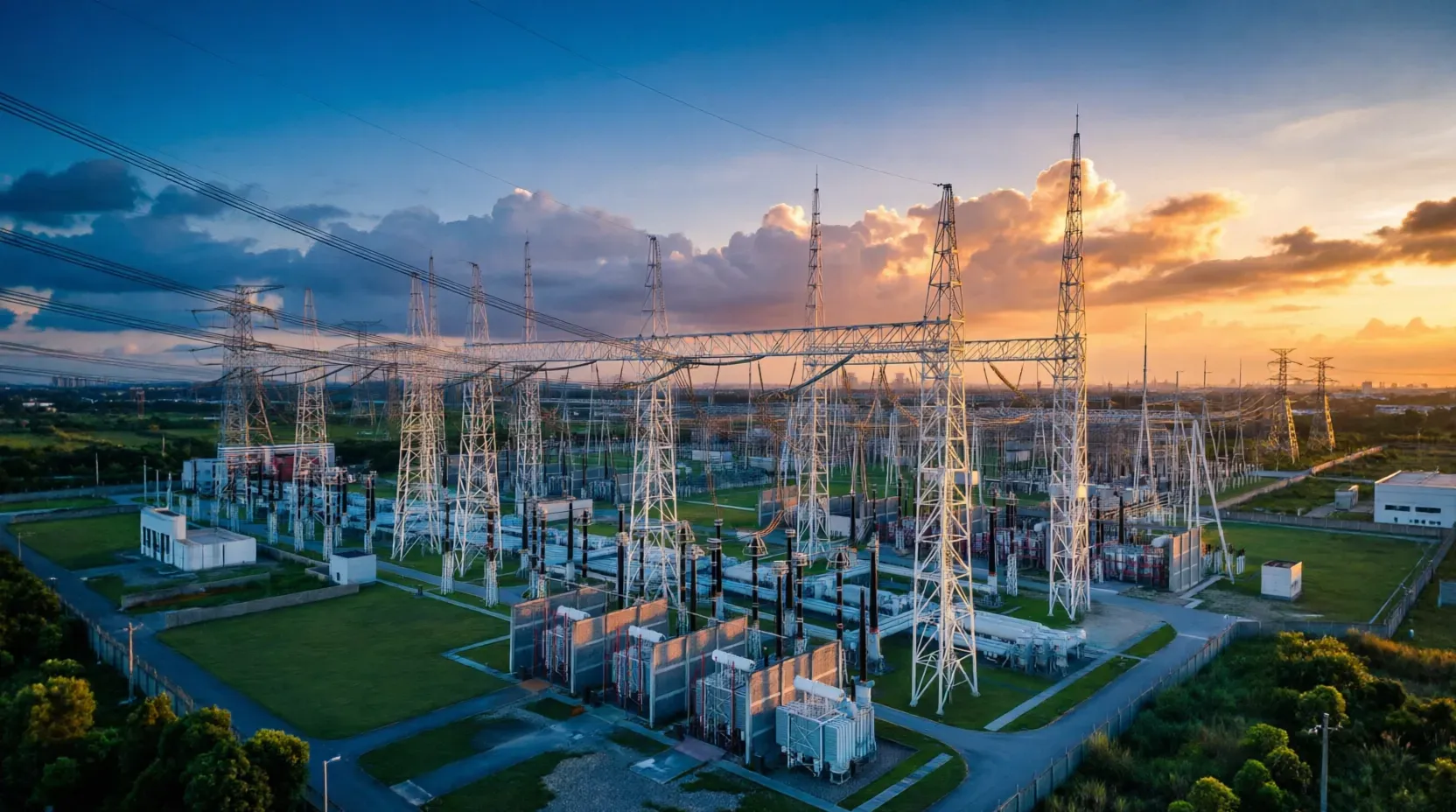
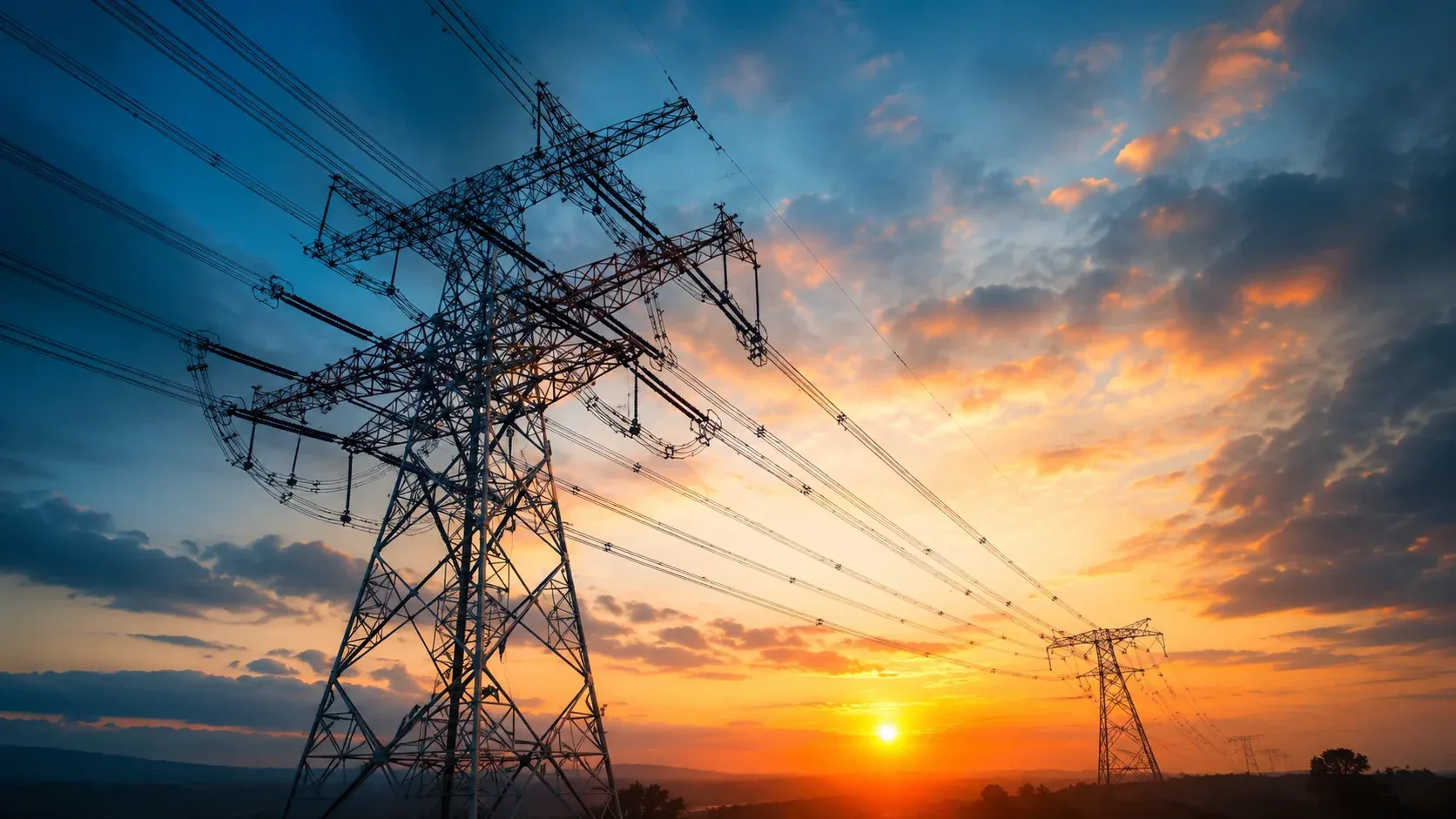
SPARK focuses heavily on reconductoring, which means replacing existing power lines with higher-capacity conductors. This can increase the amount of electricity that can move through existing transmission corridors without requiring entirely new routes. That is important because building new transmission lines can take years due to permitting, siting, land-use, and community-approval challenges. By improving existing rights of way, reconductoring can deliver faster grid capacity gains than many greenfield transmission projects.
The DOE says selected projects should show how reconductoring and other Advanced Transmission Technologies can expand grid capacity, increase operational efficiency, lower costs for consumers, and improve the reliability and security of the electric grid. The agency will prioritize projects that can be implemented quickly and deliver both durable physical upgrades and dynamic operational gains.
This is especially relevant as utilities face a new planning environment. In the past, many electricity systems were designed around slower, more predictable demand growth. That model is changing. AI data centers can add large blocks of load quickly. Industrial electrification can shift energy consumption from fuels to electricity. Electric vehicles and building electrification can change both daily and seasonal demand patterns. These trends make grid capacity more valuable and more urgent.
SPARK is not only about adding physical capacity. Advanced transmission technologies can also improve how existing grid assets are operated. These may include technologies that increase the usable capacity of transmission lines in real time, improve power-flow control, support better situational awareness, and help operators manage congestion more efficiently. DOE’s SPARK page says the program will prioritize reconductoring with advanced conductors, technologies that increase usable capacity of existing assets in real time, and large-scale cross-regional transmission upgrades and coordinated planning.
The program builds on the Grid Resilience and Innovation Partnerships Program, which was authorized to provide up to $10.5 billion in competitive funding over five years to states, tribes, utilities, and other eligible recipients. The updated SPARK focus puts more emphasis on rapid deployment of reconductoring and advanced transmission upgrades that can expand transfer capability, improve reliability, and reduce consumer cost impact while using existing rights of way.
For developers, utilities, and large power buyers, the message is clear: transmission is becoming strategic infrastructure. A solar project, wind farm, battery facility, factory, or data center is only as useful as the grid’s ability to connect and serve it reliably. Faster transmission upgrades can unlock generation, reduce congestion, improve resilience, and support new load growth.
The timing also matters. DOE’s SPARK page states that concept papers were due on April 2, 2026, and full applications are due by May 20, 2026. That makes the program part of the near-term grid investment pipeline, not a distant planning concept.
EnergyInsyte Take
DOE’s SPARK funding shows that grid modernization is becoming central to energy security, affordability, and economic growth. The U.S. does not only need more generation; it needs faster ways to move power across constrained networks. Reconductoring and advanced transmission technologies may become some of the most practical tools for expanding grid capacity without waiting years for entirely new transmission corridors.
Source link: U.S. Department of Energy