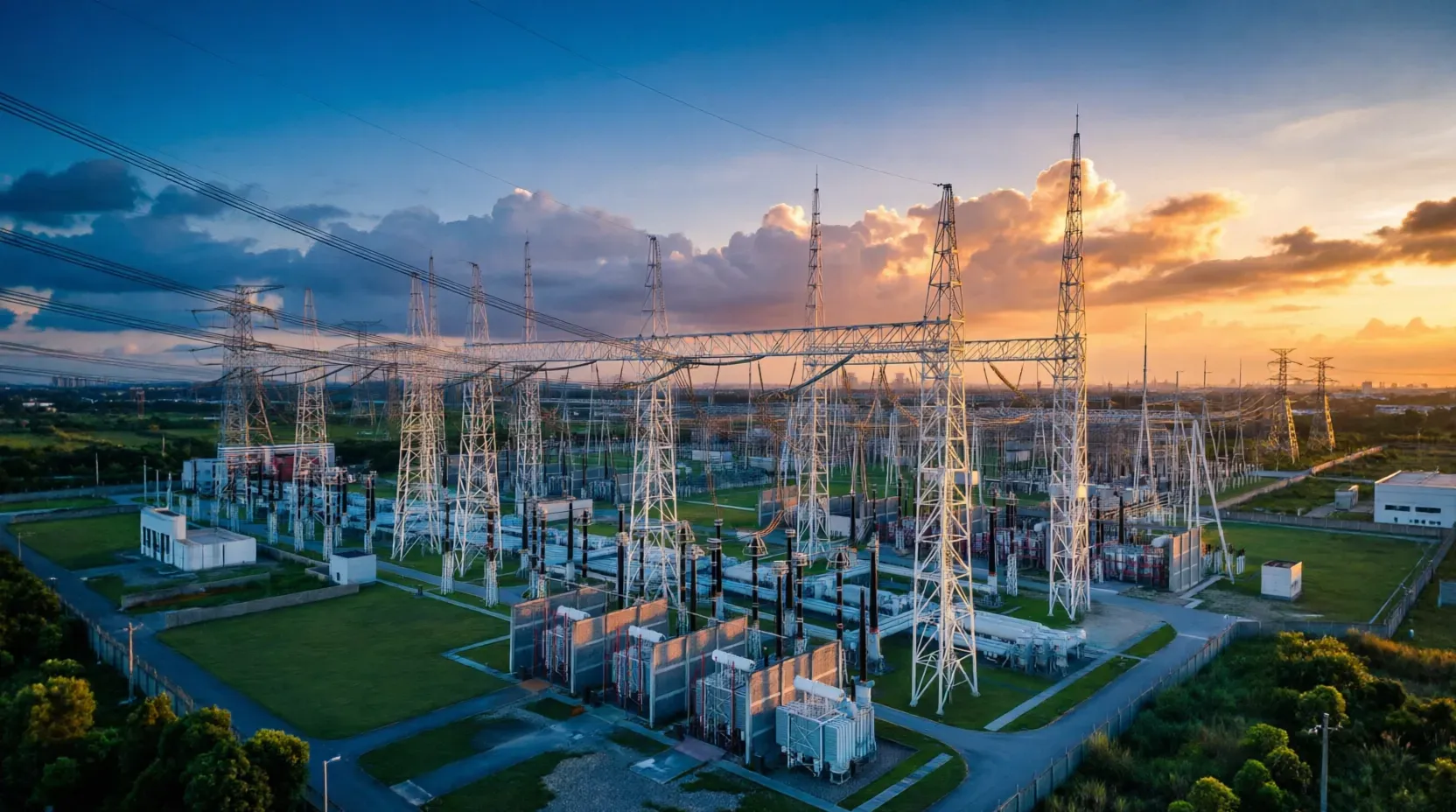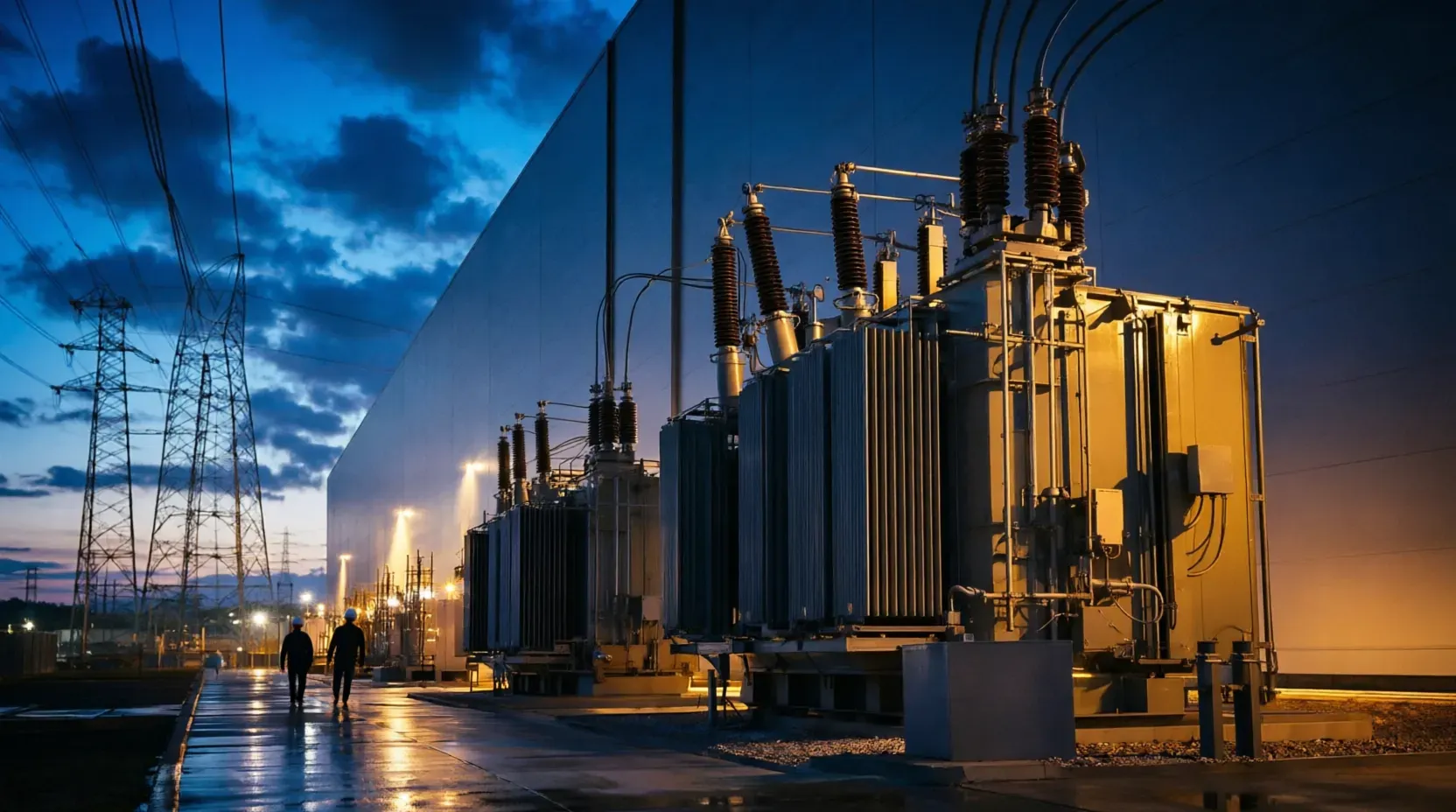

Electricity grids are becoming the pressure point of the energy transition.
Solar and wind are expanding. Data centers are increasing power demand. Electric vehicles, industrial electrification, batteries, heat pumps, and distributed energy resources are changing how electricity flows. But many grids were built for a slower, simpler system: large power plants sending electricity one way to passive consumers.
That model is cracking.
In March 2026, the U.S. Department of Energy announced an approximately $1.9 billion funding opportunity to accelerate urgently needed upgrades to the U.S. power grid. The program focuses on critical grid infrastructure and technologies that can improve capacity, reliability, resilience, affordability, and security.
This is part of a larger global pattern. Grid modernization is no longer a background utility issue. It is becoming central to energy security, industrial growth, and clean power deployment.
Old Grids Are Being Asked to Do New Work
The DOE says U.S. electric infrastructure is aging and being pushed to do more than it was originally designed to do. Modernizing the grid with smarter technologies, equipment, and controls can reduce outage frequency, reduce storm impacts, restore service faster, and deliver electricity more reliably and efficiently.
That official language describes the problem neatly. The grid is not only old. It is being asked to behave differently.
Modern grids must support:
- renewable energy integration
- two-way power flows
- distributed solar
- battery storage
- electric vehicles
- data center loads
- industrial electrification
- extreme weather resilience
- real-time monitoring
- demand flexibility
- cybersecurity protection
That requires transmission expansion, distribution upgrades, grid software, sensors, automation, advanced conductors, storage, and better planning.
The U.S. Pushes Faster Transmission Upgrades
The DOE’s 2026 funding opportunity focuses on accelerating upgrades to existing transmission infrastructure. One major priority is reconductoring, where older power lines are replaced with higher-capacity conductors to move more electricity through existing rights-of-way.
That matters because building entirely new transmission lines can take years because of permitting, land access, environmental review, and local opposition. Upgrading existing lines can sometimes add capacity faster.
For U.S. energy markets, speed matters. AI data centers, manufacturing, electrification, and renewable projects are all creating demand for more grid capacity. If grid upgrades lag, new power generation may be delayed, curtailed, or stranded.
Europe Faces a €584 Billion Grid Challenge
Europe is also treating grids as a strategic priority.
The European Commission says electricity consumption in the EU is expected to increase by around 60% by 2030. It also says 40% of distribution grids are more than 40 years old, cross-border transmission capacity must double by 2030, and around €584 billion in grid investments are necessary.
Those numbers explain why Europe introduced the European Grids Package.
Europe needs more renewable energy, but renewable deployment is only useful if electricity can move where it is needed. A wind project in one region, a solar project in another, and industrial demand elsewhere all require transmission and distribution networks that can handle more flexible flows.
The grid is becoming the backbone of European energy security.
India’s Grid Digitization Becomes an Investment Theme
India adds another layer to the global grid modernization story.
Reuters reported in February 2026 that the Global Energy Alliance for People and Planet wants to raise $100 million by 2028 to digitize India’s electricity grids. The initiative builds on an initial $25 million investment in grid digitization projects in Rajasthan and Delhi and aims to expand to at least 15 utilities.
GEAPP’s official India Grids of the Future Accelerator announcement said the platform will deploy up to $25 million by 2028, with an ambition to unlock $100 million by 2030. It is designed to support India’s growth and energy transition priorities.
For India, grid modernization is crucial because renewable energy targets, industrial growth, urbanization, and rising electricity demand all depend on distribution and transmission readiness.
A renewable target without a modern grid is a promise waiting at the substation door.
Digital Grids Are the Next Layer
Grid modernization is not only about wires.
It also includes digital tools: sensors, real-time monitoring, automation, AI-based forecasting, outage management, demand response, and grid-edge control. These systems help utilities see and manage the network more intelligently.
Digital grids are especially important for distributed energy resources. Rooftop solar, batteries, EV chargers, and microgrids create two-way power flows. Utilities need software and data systems that can manage these resources without destabilizing the network.
This is why India’s grid digitization initiative is important. It recognizes that renewable integration depends not only on generation capacity, but also on smarter utility operations.
What This Means for B2B Energy Markets
Grid modernization creates business opportunities across the energy value chain.
The most important areas include:
- transmission conductors
- transformers
- substations
- grid software
- smart meters
- distribution automation
- energy storage
- power electronics
- cybersecurity
- engineering services
- utility analytics
- demand response platforms
- permitting and planning tools
For renewable developers, grid readiness can decide project economics. For data centers, grid access can decide site selection. For manufacturers, grid reliability affects uptime. For governments, grid investment affects energy security and industrial competitiveness.
The Business Takeaway
The grid is becoming the most important infrastructure layer in the energy transition.
The U.S. is funding urgent upgrades. Europe says hundreds of billions of euros are needed by 2030. India is pushing grid digitization to support renewable integration and economic growth. All three point to the same conclusion: generation alone is not enough.
For EnergyInsyte readers, the key insight is simple. The clean energy race will not be won only by building solar farms, wind farms, batteries, or power plants. It will be won by modernizing the networks that connect them.
The grid is the quiet giant. In 2026, it finally stepped into the boardroom.
FAQ
Why is grid modernization important in 2026?
Electricity demand is rising while renewables, data centers, electric vehicles, and distributed energy resources are changing how power flows across grids.
How much grid funding did the U.S. DOE announce in March 2026?
The DOE announced an approximately $1.9 billion funding opportunity to accelerate critical grid upgrades.
How much investment does Europe say its grids need?
The European Commission says around €584 billion in grid investments are necessary, with 40% of distribution grids over 40 years old and cross-border transmission capacity due to double by 2030.
Source Pack
- U.S. DOE $1.9B grid infrastructure funding: use for the March 2026 funding opportunity to accelerate grid upgrades.
- DOE grid modernization and smart grid page: use for the official explanation of why smart, resilient grid upgrades are needed.
- European Commission European Grids Package: use for Europe’s grid investment needs, aging distribution grids, and 2030 cross-border transmission goals.
- Reuters / GEAPP India grid digitization: use for India’s $100M grid digitization ambition and utility modernization plans.
- GEAPP India Grids of the Future Accelerator: use for the official $25M deployment plan and ambition to unlock $100M.