
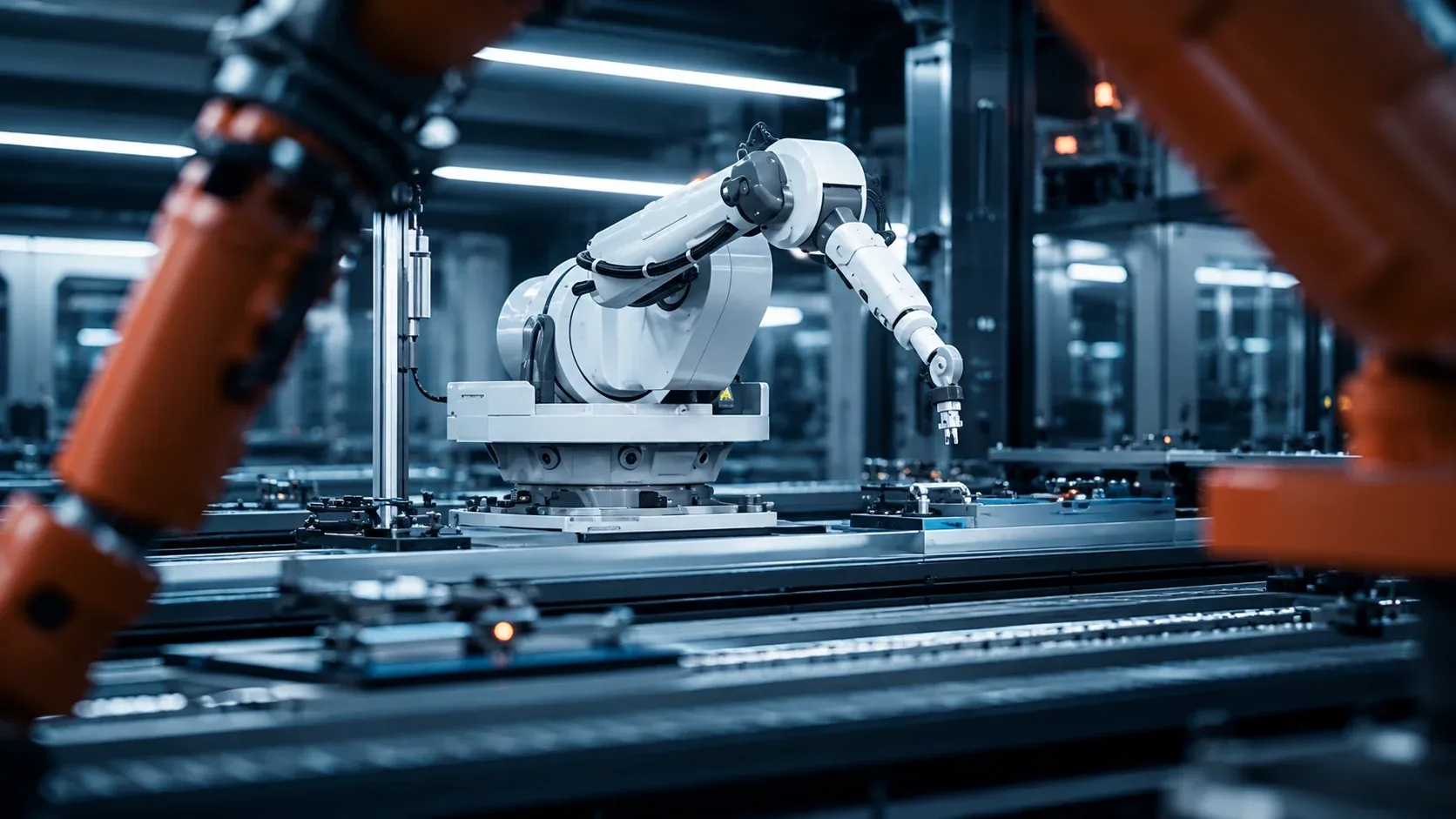
The integration of artificial intelligence into physical infrastructure is shifting from experimental pilot programs to mission-critical industrial deployments. In a recent assessment of this transition, ISG Research named Hitachi Digital Services a "Leader" across all three categories of its 2026 ISG Provider Lens for Intelligent Robotics and Physical AI Services. Hitachi is the only company to achieve leader status in every evaluated segment, signaling a consolidation of expertise in the high-stakes intersection of Information Technology (IT) and Operational Technology (OT).
Bridging the Gap Between Strategy and Execution
The ISG report evaluates providers based on their ability to manage the entire lifecycle of robotics and physical AI. Hitachi’s recognition spans Consulting and Transformation, Integration and Engineering, and Managed Services—including Robotics-as-a-Service (RaaS). For industrial energy and utility leaders, this end-to-end capability is significant because it addresses the "pilot purgatory" often found in digital transformation.
By grounding its strategy in a "customer zero" approach—testing solutions within its own industrial divisions before market release—Hitachi aims to ensure that robotics systems are not merely technologically advanced but operationally resilient. This is particularly relevant for asset-intensive sectors like rail, energy, and manufacturing, where downtime or system failure carries high economic and safety risks.
Technical Orchestration in Heavy Industry
The deployment of physical AI requires more than software; it demands the orchestration of edge intelligence and secure decision layers. Hitachi Digital Services utilizes its Lumada platform and R2O2 framework, alongside GlobalLogic solutions, to create what ISG describes as "AI factories." Powered by NVIDIA hardware, these environments enable closed-loop autonomy, where machines can perceive, reason, and act within complex industrial settings.
This technical stack is designed to handle the data-heavy requirements of modern grid management and industrial automation. By focusing on "enterprise-grade physical AI," the company is positioning itself to support utilities and infrastructure investors who require scalable, governed AI models that comply with strict regulatory and safety standards.
The Economics of Robotics-as-a-Service
A notable shift in the industrial landscape is the move toward Managed Services and RaaS. As capital deployment becomes more scrutinized, the ability to access advanced robotics through subscription or on-demand models allows firms to modernize without the prohibitive upfront costs of traditional hardware procurement.
Hitachi’s leadership in the Managed Services category suggests a maturing market for outsourced robotic operations. For industrial buyers, this model transfers the burden of maintenance, optimization, and technological obsolescence to the provider, ensuring that mission-critical systems remain functional and updated without constant internal reinvestment.
Key Takeaways
- Comprehensive Market Leadership: Hitachi Digital Services is the sole provider ranked as a Leader in all three ISG categories: Consulting, Integration, and Managed Services/RaaS.
- Focus on Critical Infrastructure: The company’s physical AI strategy specifically targets high-stakes industries including energy, rail, and mobility, prioritizing reliability over experimental features.
- Strategic Technology Partnerships: The use of NVIDIA-powered AI factories and the Lumada platform facilitates the transition from raw data to autonomous operational decisions.
EnergyInsyte's Take
The recognition of Hitachi Digital Services by ISG highlights a broader industrial trend: the necessity of merging deep engineering heritage with advanced digital orchestration. As energy and utility sectors face increasing pressure to improve efficiency and resilience, the ability to deploy physical AI that is both scalable and governed will be a primary differentiator. Decision-makers should monitor how these integrated service models reduce the complexity of adopting robotics in environments where failure is not an option.
Source: Businesswire