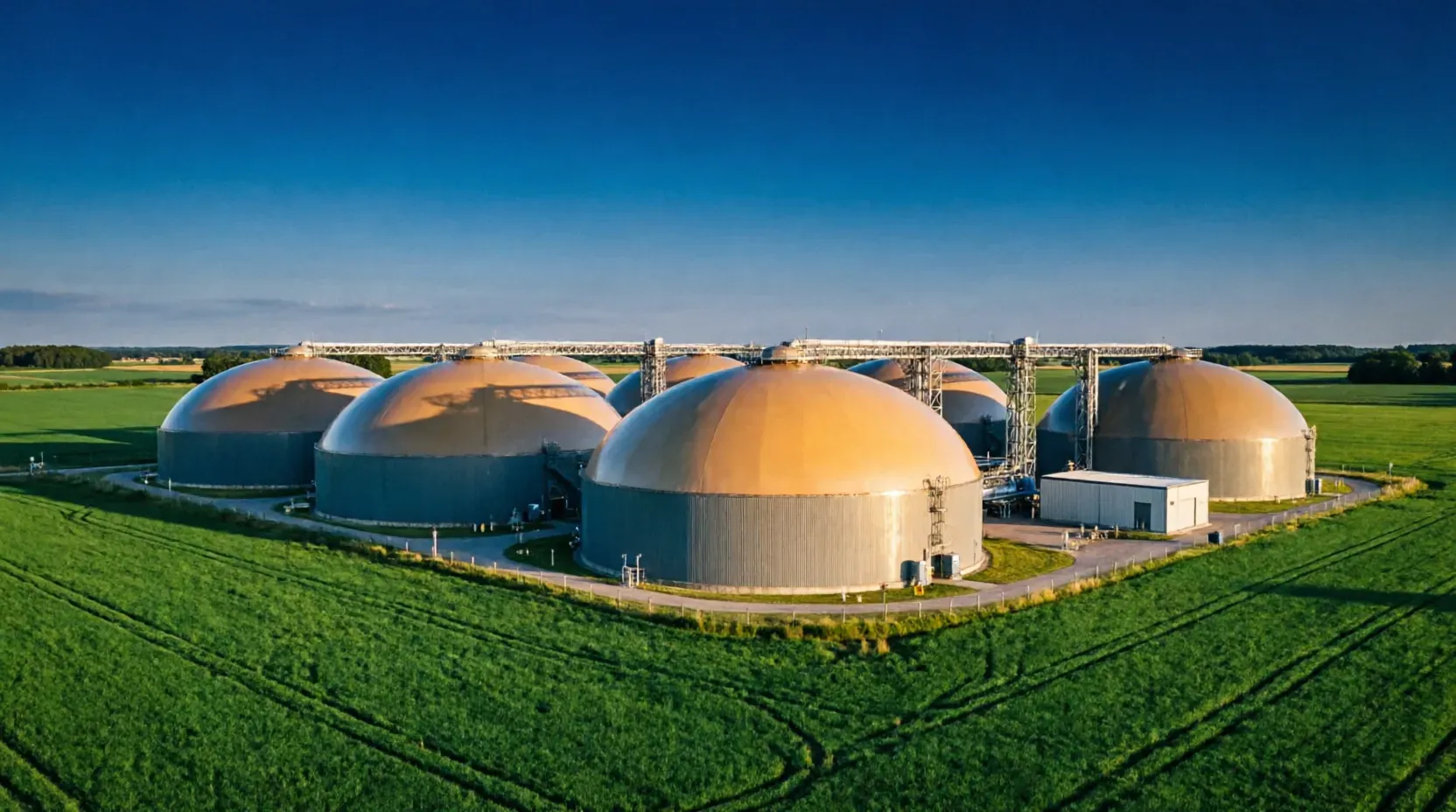
NW Natural, Oregon’s largest gas utility, reported a 2025 renewable natural gas (RNG) purchase share of 3.35% of its total gas deliveries, up from 2024 levels. The utility also secured contracts for 4% RNG in 2026 and is targeting a higher share in 2027, signaling a continued focus on low‑carbon fuel sourcing for its roughly 2 million customers.
NW Natural’s 2025 RNG Purchase and Future Commitments
In its annual renewable natural gas report filed with the Oregon Public Utilities Commission, NW Natural disclosed that RNG accounted for 3.35% of the gas it delivered to customers in 2025. The company has already locked in contracts to raise that share to 4% for 2026 and indicated plans to increase the percentage again in 2027. “RNG can and will be a big part of emissions reductions efforts in Oregon,” said Chris Kroeker of NW Natural. “Even with the end of some projects, we have been able to increase our RNG volumes again this year while keeping an eye on affordability. We’re especially pleased about our first volumes purchased from an Oregon producer this year.” The filing did not provide a breakdown of the specific projects or sources contributing to the 2025 volume.
Regulatory Context and State Energy Goals
The report was submitted to the Oregon Public Utilities Commission, the state agency that oversees utility filings and ensures compliance with renewable fuel mandates. Oregon’s broader climate strategy encourages utilities to incorporate low‑carbon fuels such as RNG, but the commission’s specific targets for gas utilities were not detailed in the announcement. NW Natural’s disclosed percentages place it among the highest RNG‑as‑a‑share figures reported by U.S. gas utilities, a point the company highlighted in its filing.
Market Position and Comparative Metrics
NW Natural’s 4% RNG share slated for 2026 is comparable to the projected 4% share of total solar electricity delivered to Oregon’s electric grid in 2026, according to the utility’s own comparison. The company serves more than 140 communities across Oregon and Southwest Washington, operating over 810,000 meters and 21 billion cubic feet of underground gas storage. While the announcement emphasizes the utility’s leading customer‑satisfaction scores and modern pipeline infrastructure, it does not disclose the financial terms of the RNG contracts or the expected impact on ratepayers beyond the reference to “affordability.”
Key Takeaways
- NW Natural reported that RNG made up 3.35% of its 2025 gas deliveries, up from 2024 levels.
- The utility has secured contracts to reach a 4% RNG share in 2026 and plans to increase the share again in 2027.
- NW Natural’s RNG percentage is among the highest reported for U.S. gas utilities and is likened to the projected 4% solar share on Oregon’s electric grid in 2026.
EnergyInsyte's Take
NW Natural’s incremental RNG purchases illustrate a measured approach to decarbonizing gas supply while monitoring cost impacts. Executives should watch how the utility balances contract pricing with rate‑payer affordability and whether additional Oregon‑based RNG projects emerge to sustain higher future shares. The lack of disclosed financial terms leaves the economic viability of these contracts open to further scrutiny.
Source: Businesswire